
Contaminated Spore Syringe
Contaminated Spore Syringe: Your Complete Guide to Spotting, Avoiding, and Handling Issues
If you’ve ever ordered a spore syringe for microscopy or mycology research, the last thing you want is to discover it’s contaminated. It’s a common headache that can derail your plans, waste money, and even pose risks if not handled properly. In this in-depth guide, we’ll cover everything from recognizing a contaminated spore syringe to understanding why it happens and how to prevent it. Whether you’re a newbie dipping your toes into fungal studies or a seasoned enthusiast, knowing these details can save you a lot of frustration. We’ll focus on practical tips drawn from real-world experiences in the mycology community, so you can keep your projects on track.
Spore syringes are essential tools for examining mushroom spores under a microscope, but contamination can sneak in at any stage—from production to storage. Let’s dive right in and break it down.
What Is a Contaminated Spore Syringe?
At its core, a spore syringe is a sterile container holding mushroom spores suspended in distilled water, ready for research or inoculation in controlled settings. Contamination occurs when unwanted bacteria, molds, yeasts, or other microbes invade this setup, compromising the purity of the spores. Unlike the spores themselves, which are legal for microscopy in most places, a contaminated syringe can lead to unreliable results or further issues down the line.
In mycology, contamination isn’t just a minor glitch; it can spread quickly and ruin entire batches if you’re working with substrates. Bacterial contamination, for instance, is one of the most common culprits and often stems from improper handling or subpar preparation. Think of it like a bad apple in a barrel—it doesn’t take much to affect everything around it.
Signs of Contamination in a Spore Syringe
Spotting contamination early is key to avoiding bigger problems. Here are the telltale signs to watch for:
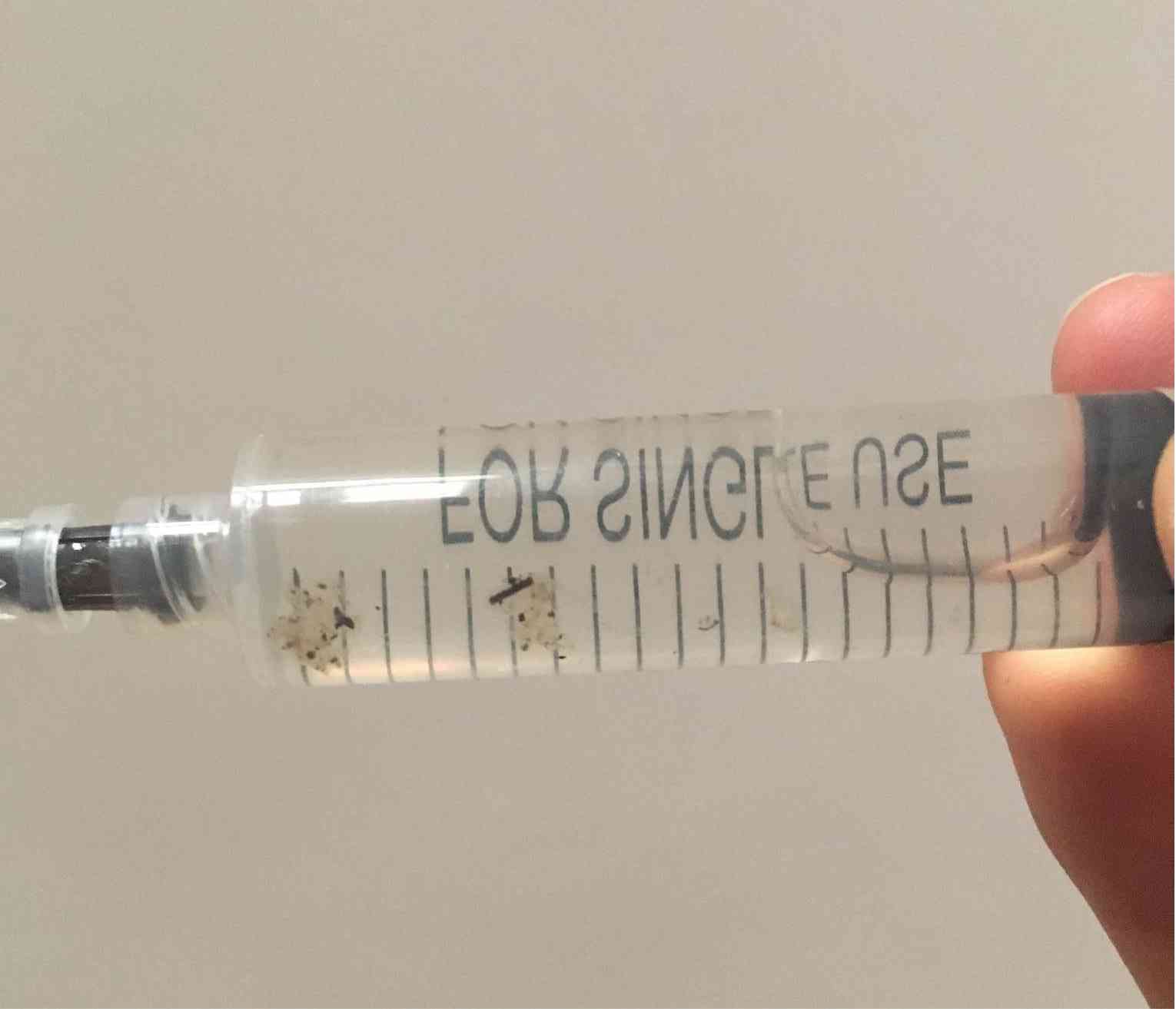
- Cloudy or Murky Appearance: A healthy spore syringe should look mostly clear with visible spore clusters that settle at the bottom when not shaken. If the liquid turns cloudy, milky, or has a hazy tint, that’s a red flag for bacterial growth. Yellowish or brownish discoloration can also indicate trouble.
- Unusual Particles or Clumps: Beyond the normal dark purple-black spore specks, look out for floating debris, irregular shapes, or slimy clumps. These could be mold spores or bacterial colonies.
- Foul Odor: Give it a careful sniff after opening—if there’s a sour, rotten, or off-putting smell, contamination is likely at play. Clean syringes shouldn’t have any noticeable scent.
- Bubbles or Gas Formation: Excessive bubbling or pressure buildup inside the syringe might signal fermentation from bacteria or yeast.
- Microscopic Irregularities: Under a microscope, contaminated spores may show erratic shapes, sizes, or foreign microbes mingling with the fungal spores. If growth appears too fast (like within 12 hours on agar), it could be contaminants outpacing the mycelium.
If you’re unsure, test a small drop on agar plates and monitor for unusual growth patterns—these often reveal hidden issues.
Common Causes of Spore Syringe Contamination
Understanding why contamination happens can help you sidestep it. From my own tinkering with mycology setups, I’ve seen these as the usual suspects:
- Poor Sterilization During Production: If the vendor doesn’t use properly sterilized water, tools, or environments, contaminants can hitch a ride right from the start.
- Improper Handling and Storage: Touching the needle without sanitizing, storing in warm or humid spots, or leaving it unsealed invites airborne microbes. Spores last longer in cool, dark places like a fridge, but even then, exposure to light or temperature swings can encourage growth of unwanted organisms.
- Contaminated Source Materials: Starting with impure spore prints or using non-sterile substrates can introduce bacteria or molds.
- Environmental Factors: Dust, pets, or even your breath can carry contaminants if you’re not working in a still air box or laminar flow hood.
Bacterial issues often come from water sources, while molds like Trichoderma might stem from unclean equipment.
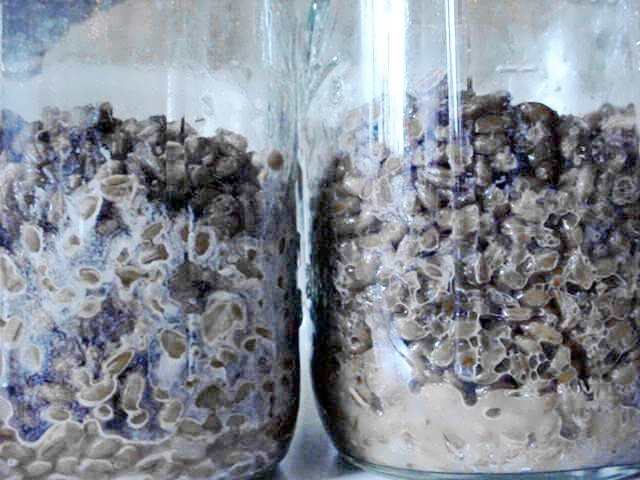
Mushroom Contamination: The Beginner’s Guide | Martian Mushrooms UK
How to Prevent Contamination in Spore Syringes
Prevention beats cure every time. Here’s a step-by-step approach to keeping your syringes clean:
- Choose Reputable Vendors: Buy from trusted suppliers who test for contaminants and provide guarantees. Look for reviews and avoid suspiciously cheap options.
- Maintain Sterile Techniques: Always work in a clean space. Flame-sterilize needles, use alcohol wipes, and wear gloves. Avoid opening syringes unnecessarily.
- Proper Storage: Keep syringes in the fridge (not freezer) in airtight containers. Aim for 35-45°F to maximize shelf life, which can be up to a year or more.
- Inspect Upon Arrival: Shake and examine new syringes for clarity and spore distribution. If something looks off, contact the seller immediately.
- Use Clean Tools: For any transfers, ensure substrates and equipment are pressure-cooked or autoclaved to kill off potential threats.
By sticking to these habits, you’ll drastically cut down on contamination risks.
What to Do If Your Spore Syringe Is Contaminated
Found a problem? Don’t panic—here’s how to handle it:
- Quarantine It: Isolate the syringe to prevent spread.
- Test on Agar: Inoculate a small amount on sterile agar to confirm contamination. Watch for non-mycelial growth.
- Dispose Safely: If confirmed, seal and discard responsibly. Don’t reuse.
- Contact the Vendor: Many offer replacements if you provide evidence like photos.
- Learn and Adjust: Review your process to avoid repeats.
In severe cases, like if it’s led to mold in your setup, clean everything with bleach or isopropyl alcohol.
Frequently Asked Questions About Contaminated Spore Syringes
Can a contaminated spore syringe be saved?
Rarely—once bacteria or mold takes hold, it’s usually best to toss it to avoid further issues.
How long do spore syringes last before contaminating?
Properly stored, they can last 6-12 months, but check regularly for signs.
Is contamination visible right away?
Not always; it can develop over time, especially if stored poorly.
What’s the difference between spore clumps and contamination?
Spore clumps are dark and settle; contaminants often make the whole solution cloudy or slimy.
Are there health risks from contaminated syringes?
For microscopy use, minimal—but always handle with care to avoid inhaling spores or microbes.
Wrapping Up: Stay Vigilant for Clean Results
Dealing with a contaminated spore syringe can be discouraging, but with the right knowledge, it’s entirely avoidable. By spotting signs early, understanding causes, and prioritizing prevention, you’ll keep your mycology adventures smooth and successful. Remember, quality starts with vigilance—choose good sources, handle carefully, and inspect often. If you’ve got stories or tips from your own experiences, share them in the comments below. Happy researching!