
Amazonian Spores
Amazonian spores are a classic Psilocybe cubensis strain valued for their rich Amazonian heritage and reliable, well-defined microscopic characteristics.
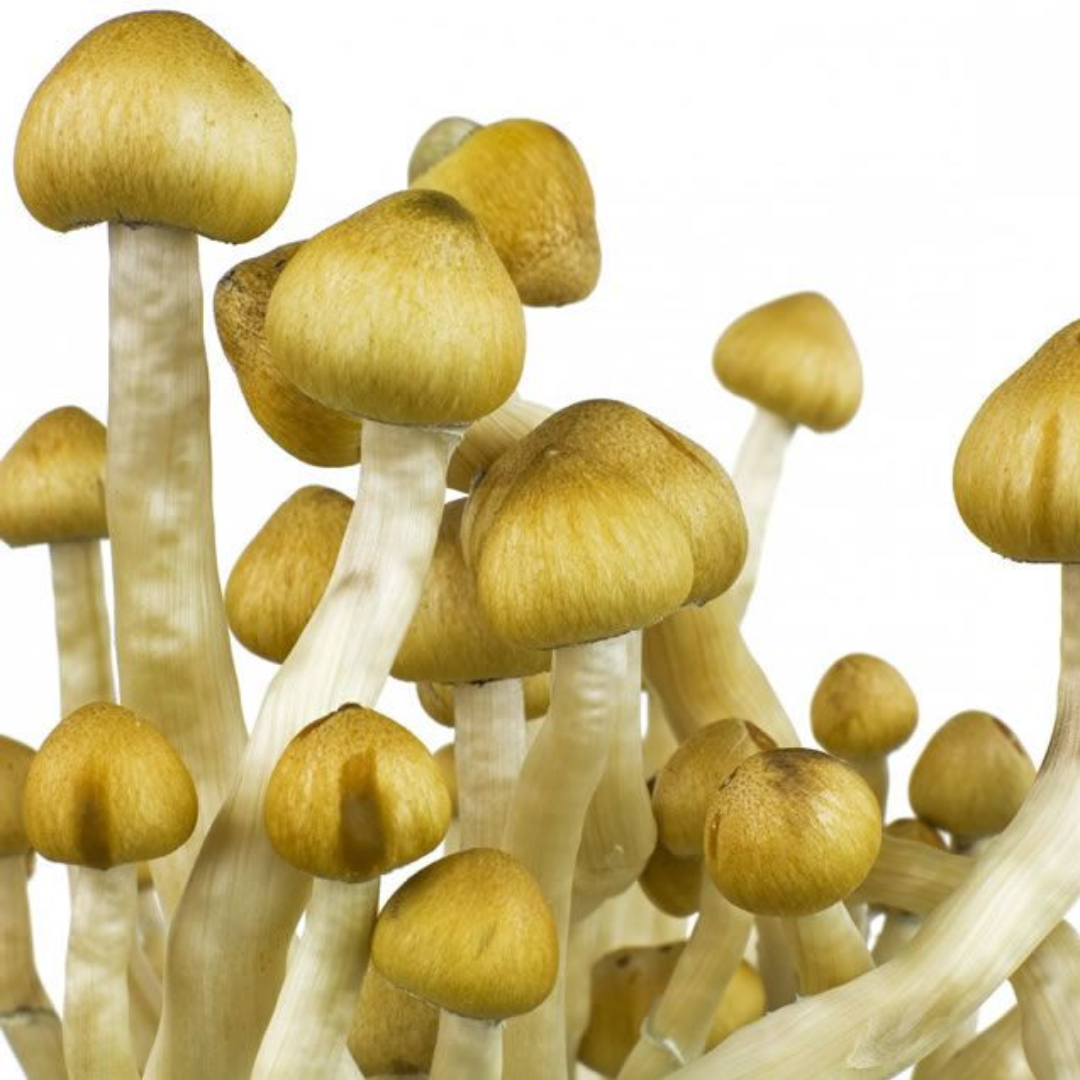
Amazonian spores are among the most recognisable and widely studied Psilocybe cubensis microscopy specimens available today. Known for their strong genetic heritage and distinctive characteristics under magnification, Amazonian spores are a popular choice for researchers interested in classic cubensis morphology.
At Gorilla Spores, we supply Amazonian spores strictly for microscopy and taxonomy research purposes. This guide explores their origin, microscopic features, history, and what makes them such a consistently requested specimen.
Overview of Amazonian Spores
Amazonian spores originate from Psilocybe cubensis specimens historically associated with the Amazon rainforest region of South America. While modern specimens circulate globally within microscopy communities, the strain name reflects its geographic lineage.
Under microscopic examination, Amazonian spores typically display:
- Dark purple-brown spore deposits
- Ellipsoid spore shape
- Smooth spore walls
- Prominent germ pore
- Consistent size range typical of cubensis varieties
Amazonian spores are often appreciated for their clarity and reliability during slide preparation.
Taxonomy & Classification
Species: Psilocybe cubensis
Strain: Amazonian
Family: Hymenogastraceae
Spore Colour: Purple-brown
Amazonian spores fall within the broader cubensis category, one of the most documented species in microscopy research.
For broader species context, you may wish to reference:
Microscopic Characteristics of Amazonian Spores
Below is a simplified diagram representing common cubensis spore morphology.
Basic Spore Structure Diagram
        _________
      /           \
     |   (  •  )    |
      \___________/
           ↑
        Germ Pore
Key Features:
- Oval to ellipsoid shape
- Thick outer wall
- Visible germ pore at apex
- Smooth surface texture
Under 400x–1000x magnification, Amazonian spores display the classic cubensis structure that makes them suitable for comparative taxonomy study.
Amazonian Spores vs Other Cubensis Strains
Researchers often compare Amazonian spores with other well-known cubensis varieties.
Comparative Traits (Microscopy Perspective)
| Trait | Amazonian Spores | Typical Cubensis Average |
|---|---|---|
| Shape | Ellipsoid | Ellipsoid |
| Colour | Dark purple-brown | Purple-brown |
| Germ Pore | Prominent | Prominent |
| Wall Texture | Smooth | Smooth |
While microscopic differences between cubensis strains are subtle, lineage and historical background are often the distinguishing features in research documentation.
To compare to other Cubensis strains please read the following guides:
Historical Background
The Amazonian cubensis lineage is believed to have originated from rainforest regions of South America. Over time, specimens were preserved and distributed within microscopy communities.
The name “Amazonian” refers to its reported regional origin rather than a distinct taxonomic reclassification. It remains within the Psilocybe cubensis species.
Because of its strong heritage association, Amazonian spores have become one of the more recognisable cubensis strains in microscopy archives.
Why Researchers Choose Amazonian Spores
Amazonian spores are frequently selected for:
- Classic cubensis morphology study
- Germ pore visibility observation
- Educational slide preparation
- Comparative taxonomy documentation
- Strain lineage archiving
Their reliability and consistency make them a stable addition to microscopy collections.
Storage & Preservation
To maintain Amazonian spores in optimal condition:
- Store refrigerated (2–8°C)
- Keep sealed in sterile packaging
- Avoid direct light exposure
- Minimise temperature fluctuations
For full preservation details, see:
How to Store Mushroom Spores
Proper storage supports long-term spore integrity for microscopy examination.
Longevity of Amazonian Spores
When stored correctly:
- Spore syringes may remain viable for 6–24 months
- Spore prints may remain stable for multiple years
- Swabs can remain preserved for extended research archiving
Longevity depends heavily on environmental stability and sterile handling.
Research Use Disclaimer
Amazonian spores supplied by Gorilla Spores are intended strictly for:
- Microscopy
- Taxonomy
- Educational research
Customers are responsible for ensuring compliance with local laws regarding spore possession and study.
Are mushroom spores legal in the UK?
If you’re researching this strain for microscopy, read our full legal breakdown here: Are Magic Mushroom Spores Legal in the UK?
All spores sold by Gorilla Spores are intended strictly for microscopy and taxonomic research. Please review our Legal Use Policy for more information.
Available Formats at Gorilla Spores
Amazonian spores may be available in:
- Sterile spore syringes
- Spore prints
- Spore swabs
Each specimen is prepared using sterile handling procedures to support high-quality microscopy research.
To purchase Amazonian spores in either syringe or print format please see the links below:
Frequently Asked Questions
1. What are Amazonian spores?
Amazonian spores are microscopy specimens derived from the Amazonian strain of Psilocybe cubensis, valued for their classic cubensis characteristics.
2. Are Amazonian spores different from other cubensis strains?
Microscopically, differences are subtle. The strain distinction primarily reflects lineage and origin history rather than major structural variation.
3. How should Amazonian spores be stored?
They should be refrigerated in sterile packaging, kept away from light and moisture.
4. How long do Amazonian spores last?
When stored correctly, syringes may last 6–24 months, while prints can remain viable for several years.
5. Are Amazonian spores legal?
Spore legality varies by jurisdiction. Customers must ensure compliance with local laws before purchase.

Written by the Gorilla Spores Research Team
The Gorilla Spores Research Team produces and reviews educational content focused on Psilocybe cubensis strains, spore morphology, and microscopy-based observation. All reference material is created for lawful research and educational purposes and is reviewed for accuracy, clarity, and responsible presentation. View author profile