
Z-Strain Spores
Z-Strain Spores are a widely recognised Psilocybe cubensis strain valued for their classic purple-brown spore deposit, stable morphology, and long-standing popularity in microscopy research collections.
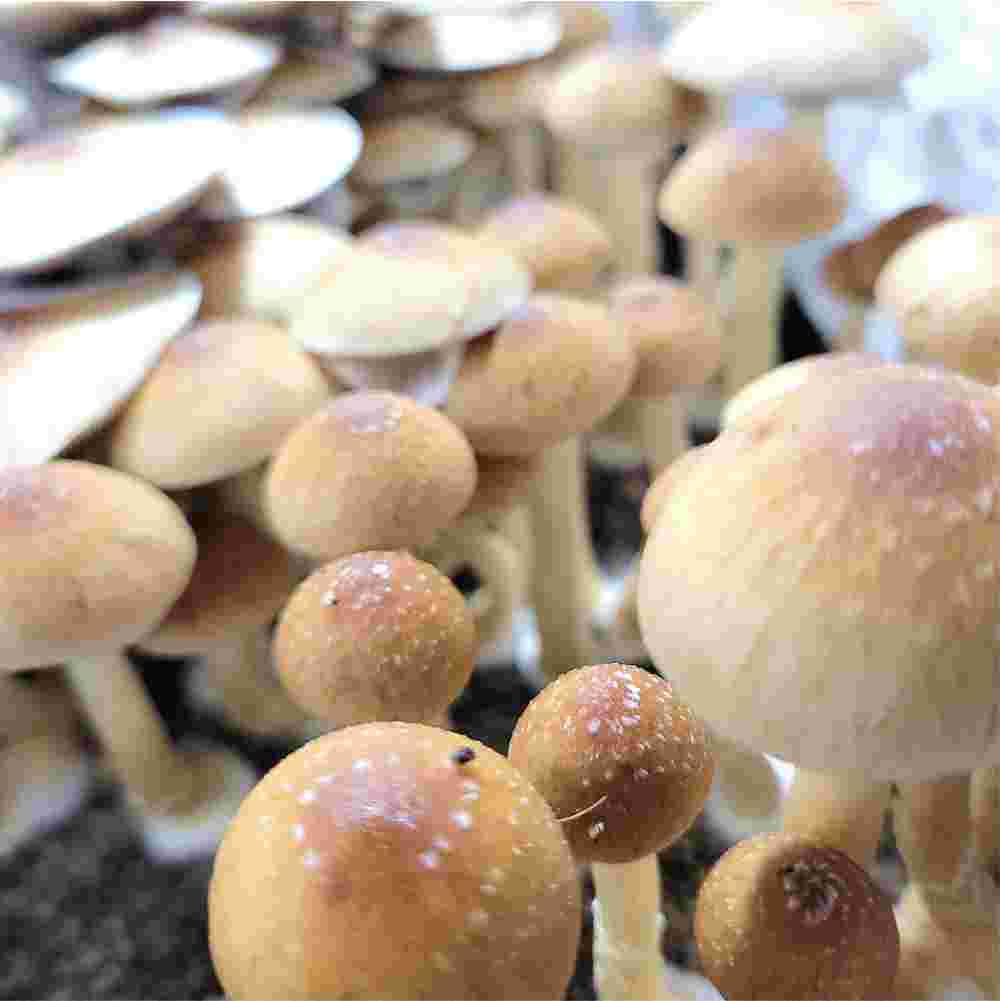
Z-Strain spores are one of the most widely recognised varieties within the Psilocybe cubensis species. Known for their strong genetics and reliable spore production, the Psilocybe cubensis Z-Strain has become a popular subject of study among microscopy enthusiasts and spore collectors around the world. Researchers are often drawn to this strain because its spores display clear microscopic structures that are easy to observe under laboratory microscopes.
Like many cubensis varieties, Z-Strain spores are typically distributed in two main formats: spore syringes and spore prints. A Z-Strain spore syringe contains spores suspended in sterile distilled water, making it convenient for preparing microscope slides and examining spore morphology. Spore prints, on the other hand, consist of dense deposits of spores collected on sterile foil or paper and are also widely used in microscopy research.
Within the broader category of cubensis strains, Z-Strain has developed a reputation for producing abundant spores with consistent characteristics. This reliability makes it a favourite among collectors who are interested in comparing spore size, shape, and colour across different cubensis varieties. Because of these traits, the Z-Strain continues to hold a prominent place in the world of mushroom spore microscopy and mycological study.
History and Origins of Z-Strain
Early Origins of the Strain
The precise origin of the Z-Strain remains somewhat uncertain, which is common for many varieties of Psilocybe cubensis. Unlike wild species that can be traced to specific geographic regions, many cubensis strains emerged through selective isolation and sharing within underground mycology communities. The Z-Strain is believed to have appeared during the late 1990s or early 2000s, a period when interest in mushroom spores and microscopy research was rapidly growing online.
During this time, hobbyist mycologists began exchanging spore prints through mail-based trading networks. These communities focused on preserving and distributing unique genetic isolates of cubensis varieties. The Z-Strain likely originated as a particularly vigorous isolate that produced heavy spore deposits and consistent morphological characteristics. Because of these qualities, it quickly attracted attention among collectors looking for reliable spores for microscopic study.
Although its exact geographic origin remains unclear, the strain itself belongs to the broader Psilocybe cubensis species, which naturally occurs in tropical and subtropical regions around the world.
The Mystery Behind the Name
The name “Z-Strain” has long been a topic of curiosity among spore enthusiasts. Unlike many cubensis varieties that are named after locations, individuals, or distinctive features, the Z-Strain has a relatively simple and somewhat mysterious title.
One theory suggests that the strain may have been labelled alphabetically during early isolation projects, with “Z” representing one of the later selections in a series of genetic isolates. Another possibility is that the name was chosen simply to distinguish the strain from other cubensis varieties being circulated at the time. Regardless of its origin, the name Z-Strain has remained consistent as the variety spread throughout the spore community.
Spread Through Mycology Communities
As internet forums dedicated to mycology grew in popularity during the early 2000s, strains like Z-Strain began appearing more frequently in spore trading circles. Online discussion boards allowed collectors and researchers to share information about different cubensis varieties, including their microscopic characteristics and spore production.
Because the Z-Strain was known for producing dense, dark spore prints and stable spore morphology, it became widely circulated among enthusiasts. Vendors eventually began offering Z-Strain spores commercially in both syringe and print form, further increasing its availability. Over time, the strain established itself as one of the more recognisable cubensis varieties studied within the microscopy community.
Taxonomy and Classification
Scientific Classification
The Z-Strain belongs to the species Psilocybe cubensis, one of the most well-known members of the genus Psilocybe. Its taxonomic classification is as follows:
Kingdom: Fungi
Division: Basidiomycota
Class: Agaricomycetes
Order: Agaricales
Family: Hymenogastraceae
Genus: Psilocybe
Species: Psilocybe cubensis
Variety: Z-Strain
This classification places the Z-Strain within a group of fungi characterised by spore-producing structures known as basidia, which release spores used for reproduction.
About Psilocybe cubensis
Psilocybe cubensis is one of the most widely studied mushroom species within the genus Psilocybe. It naturally occurs in tropical and subtropical regions across the globe, including parts of Central and South America, Southeast Asia, and the southern United States. The species typically grows in nutrient-rich environments, particularly in areas where grazing animals are present.
Because Psilocybe cubensis produces relatively large and easily identifiable spores, it has become a popular subject of mycological research and microscopy. Over time, numerous varieties of this species have been isolated and shared among collectors, each displaying slightly different morphological traits. The Z-Strain is one such variety, valued for its consistent spore characteristics and the clear microscopic structures that make it particularly interesting to study.
Z-Strain Spore Characteristics
Understanding Z-Strain spore characteristics is an important part of cubensis spore microscopy. Under magnification, spores from the Psilocybe cubensis Z-Strain display the typical features associated with cubensis varieties, including their distinctive shape, colour, and microscopic reproductive structures. These traits allow researchers and collectors to study spore morphology and compare different strains within the species.
Spore Shape
Under a microscope, Z-Strain spores typically appear ellipsoid to sub-ellipsoid in shape. This oval structure is characteristic of many cubensis varieties and helps distinguish them from spores belonging to other genera of fungi. The smooth outer surface and symmetrical form make them relatively easy to observe when mounted on a microscope slide. In cubensis spore microscopy, the consistent shape of Z-Strain spores provides a useful reference point for comparing morphological differences between strains.
Spore Size
Z-Strain spores generally fall within the typical size range for Psilocybe cubensis. Most spores measure approximately 11–17 micrometres in length and 7–12 micrometres in width, although minor variation can occur depending on the sample being examined. Because of their relatively large size compared with many other fungal spores, cubensis spores are particularly well suited to microscopy study. Measuring spore dimensions is often one of the first steps researchers take when examining Z-Strain samples.
Spore Colour
One of the defining Z-Strain spore characteristics is their deep purple-brown colour. When viewed individually under magnification, the spores often appear dark brown with a slight violet tint. This colouration is caused by the pigments present within the spore walls and is typical of many Psilocybe cubensis varieties. The rich pigmentation helps make the spores easier to observe under bright-field microscopy and contributes to the dark appearance of cubensis spore prints.
Spore Print Appearance
When large numbers of spores are deposited together, they form a dark purple-brown spore print. This dense accumulation of spores creates a distinctive colour that is widely associated with cubensis species. Z-Strain is known for producing particularly heavy spore deposits, which results in bold and clearly visible prints. These prints are commonly used by collectors and researchers for microscopy preparation and long-term storage of spore samples.
Microscopic Structures
In addition to the spores themselves, several microscopic structures can be observed when studying Psilocybe cubensis under magnification. Spores are produced on specialised cells called basidia, which are located on the gill surfaces of the mushroom. Each basidium typically produces four spores that are released into the air as part of the mushroom’s reproductive cycle.
Another key feature visible in cubensis spores is the germ pore, a small opening in the spore wall that plays an important role during germination. The germ pore can often be seen as a slightly flattened or lighter region on one end of the spore. Observing these structures allows researchers to better understand cubensis spore morphology and provides valuable insight into the reproductive biology of the species.
Z-Strain Spore Syringes
What Is a Spore Syringe?
A spore syringe is one of the most common formats used to distribute mushroom spores for microscopy research. A Z-Strain spore syringe contains thousands of spores suspended in sterile distilled water inside a sealed syringe. This liquid suspension allows spores to be easily transferred onto microscope slides for examination.
Because the spores are already evenly dispersed throughout the liquid, spore syringes offer a convenient way for researchers to work with small, controlled amounts of material. Each drop taken from the syringe can contain numerous spores, making it simple to prepare slides and observe spore morphology under magnification. For this reason, spore syringes are widely used by collectors and microscopy enthusiasts studying Psilocybe cubensis varieties.
Why Z-Strain Syringes Are Popular
Z-Strain spore syringes are particularly popular because this variety is known for producing large quantities of spores. The heavy spore production associated with Z-Strain often results in dense spore suspensions that are well suited for microscopy study. When examining cubensis spores under magnification, researchers often find that Z-Strain samples contain clear and easily identifiable spores with consistent morphology.
Collectors also appreciate the reliability of the strain, as its spores typically display the classic cubensis features used in microscopic identification. This combination of strong spore production and stable characteristics has helped make Z-Strain syringes a common option offered by many spore vendors.
Preparing Microscopy Slides
Preparing a microscope slide from a Z-Strain spore syringe is a straightforward process. A small drop of the spore solution is placed onto a clean glass slide, followed by the careful placement of a cover slip. Because the spores are suspended in sterile distilled water, they spread evenly across the slide, allowing individual spores to be observed clearly under magnification.
This even distribution is one of the main advantages of spore syringes. Researchers can easily adjust the amount of solution used depending on how dense they want the sample to be, making the syringe format particularly convenient for cubensis spore microscopy.
Morphology of the Z-Strain Mushroom
Although Z-Strain spores are primarily studied under microscopes, the mushrooms that produce them display the typical morphological features associated with Psilocybe cubensis. Understanding these visible characteristics can help researchers connect microscopic spore observations with the broader anatomy of the species.
Cap Characteristics
The cap, or pileus, is one of the most recognisable parts of the cubensis mushroom. In young specimens, the cap often begins with a rounded or bell-shaped appearance. As the mushroom matures, the cap gradually expands and becomes more convex or flattened in shape.
Cap colour can vary from light golden-brown to caramel tones depending on environmental conditions and maturity. In many cubensis varieties, the cap surface may appear slightly smooth and sometimes develops subtle radial lines as it expands. The cap also protects the gills underneath, where the mushroom’s reproductive structures are located.
Gills
The gills are thin, blade-like structures located on the underside of the cap. These gills radiate outward from the stem and provide the surface area where spores are produced. In cubensis mushrooms, the gills often begin with a pale grey colour when the mushroom is young.
As the spores mature, the gills gradually darken due to the accumulation of purple-brown spores. This change in colour is one of the most visible indicators that spore production is occurring within the mushroom’s reproductive tissues.
Stem (Stipe)
The stem, also known as the stipe, supports the cap and elevates it above the surrounding environment. In cubensis mushrooms, the stem is typically cylindrical and relatively thick compared with many other small fungi. Its colour usually ranges from pale white to light cream.
The surface of the stem can appear smooth or slightly fibrous, and in some cases a thin ring-like structure known as an annulus may be present. This ring forms from the remnants of a protective membrane that once covered the developing gills during early growth stages.
Spore Production
Spore production occurs on the gill surfaces where specialised reproductive cells called basidia are located. Each basidium produces spores that are eventually released and carried away by air currents. In cubensis mushrooms, this process leads to the formation of the familiar purple-brown spore deposits associated with the species.
The large number of spores produced by cubensis mushrooms contributes to their visibility in spore prints and microscopy preparations. By examining these spores under magnification, researchers can study key aspects of cubensis morphology, including spore shape, germ pores, and other microscopic features that define the species.ensis reference collection, Z-Strain spores remain one of the most recognisable and historically established microscopy strains available today.
Why Microscopy Enthusiasts Study Z-Strain
Among the many varieties of Psilocybe cubensis, the Z-Strain has earned a strong reputation within the microscopy community. Researchers and collectors often select this strain for study because it consistently produces clear spores with well-defined microscopic features. These traits make it particularly useful for examining spore morphology and comparing characteristics between different cubensis varieties.
Heavy Spore Production
One of the most notable traits of the Z-Strain is its heavy spore production. Many collectors report that this variety produces dense spore deposits, which makes it easier to obtain samples suitable for microscopy. Large quantities of spores increase the likelihood of observing clear specimens on microscope slides, allowing researchers to study shape, colour, and structural features in detail.
Because of this abundant spore output, Z-Strain prints are often dark and highly visible. For microscopy enthusiasts, this reliability is valuable because it ensures a consistent supply of spores for examination and comparison with other cubensis strains.
Clear Microscopic Structures
Another reason microscopy enthusiasts study Z-Strain is the clarity of its microscopic structures. When viewed under magnification, the spores typically display the classic cubensis features such as ellipsoid shape, dark pigmentation, and a visible germ pore.
These features make Z-Strain a useful reference when learning to identify cubensis spores. Students of mycology and experienced collectors alike often use it as a baseline for observing spore morphology, basidia structure, and other microscopic characteristics associated with the species.
Stable Genetics
The Z-Strain is also known for its stable genetic characteristics. Over many years of circulation within spore trading communities, the strain has maintained consistent spore morphology and overall traits. This stability makes it easier for researchers to compare samples collected from different sources while still observing similar microscopic features.
For collectors interested in documenting cubensis varieties, the Z-Strain remains one of the most reliable and widely studied options available.
Z-Strain vs Other Cubensis Strains
The Z-Strain is often compared with other well-known varieties of Psilocybe cubensis. While many cubensis strains share similar microscopic characteristics, subtle differences in spore production, morphology, and reputation within the microscopy community make each variety unique. Comparing strains can help collectors better understand the diversity that exists within the species.
Z-Strain vs B+
The B+ strain is one of the most widely circulated cubensis varieties and is often recommended for beginners studying mushroom spores. When comparing Z-Strain to B+, both varieties display the typical cubensis spore features such as ellipsoid shape and purple-brown pigmentation.
However, Z-Strain is often noted for its particularly heavy spore production, which can result in darker and more pronounced spore prints. B+ spores are also abundant, but Z-Strain samples sometimes appear slightly denser in spore deposits. From a microscopy perspective, both strains offer clear and easily observable spores, making them popular choices for collectors examining cubensis spore morphology.
Z-Strain vs Golden Teacher
Golden Teacher is another well-known cubensis variety that frequently appears in microscopy collections. The spores of Golden Teacher and Z-Strain share many of the same fundamental characteristics, including similar size ranges and colouration.
Where the two strains differ most is in their reputation within the mycology community. Golden Teacher is often recognised for its historical popularity and distinctive mushroom appearance, while Z-Strain is frequently highlighted for its vigorous spore production. For microscopy enthusiasts, both strains provide excellent examples of cubensis spores, making them valuable additions to comparative spore collections.
Z-Strain vs Jedi Mind Fuck
The Jedi Mind Fuck strain is another cubensis variety that has gained popularity among spore collectors. Like Z-Strain, it produces spores that fall within the typical cubensis size range and display the same purple-brown pigmentation.
The main differences between these strains tend to relate more to their origin stories and reputation within spore trading communities. Z-Strain has been circulated for many years and is known for its consistency, whereas Jedi Mind Fuck is a more recent addition that has developed its own following among collectors. Studying spores from both varieties allows microscopy enthusiasts to compare subtle variations in cubensis spore morphology.
How to Store Z-Strain Spores
Proper storage is essential for maintaining the quality of spore samples used in microscopy research. Whether stored as a syringe or a spore print, following correct procedures for storing mushroom spores can help preserve their structure and usability for long periods of time.
Refrigeration
One of the most effective ways to store Z-Strain spores is by keeping them in a refrigerated environment, ideally between 2–8°C. Cool temperatures help slow down natural degradation processes and protect spores from environmental damage. Many collectors store spore syringes or prints in sealed containers inside a refrigerator to maintain stable conditions. Consistent temperature control helps ensure that spores remain suitable for microscopy over extended periods.
Protecting Spores From Contamination
Another important factor when storing spores is preventing contamination. Spores should always remain sealed in sterile packaging or airtight containers when not in use. This reduces the risk of exposure to airborne particles, moisture, or microbes that could damage the sample.
Handling spores with clean tools and avoiding unnecessary exposure to open air can also help preserve their quality. Maintaining sterile storage conditions is a key part of responsible spore collection and microscopy preparation.
Shelf Life of Spore Syringes and Prints
When stored correctly, Z-Strain spores can remain usable for several years. Spore syringes typically maintain their quality for long periods if kept refrigerated and sealed, while spore prints can often last even longer when stored in dry, dark conditions.
Although spores are durable, their quality may gradually decline over time. For the best microscopy results, collectors often prefer to use fresher samples whenever possible.
Legal Status of Z-Strain Spores
The legal status of Z-Strain spores depends on the country or region in which they are being sold or possessed. Mushroom spores themselves do not contain psilocybin or psilocin, the compounds responsible for the psychoactive effects associated with certain mushrooms. Because of this, spores from Psilocybe cubensis varieties—including the Z-Strain—are often sold legally for microscopy and mycological research purposes in many parts of the world.
However, laws surrounding spores can vary between jurisdictions. In some regions, the possession or sale of spores is restricted regardless of their intended use. Within the United States, for example, California, Idaho, and Georgia have laws that prohibit the sale or possession of spores from Psilocybe species.
Regulations may also change over time as legislation evolves. For this reason, anyone interested in purchasing Z-Strain spores should always check their local laws and regulations before ordering. Responsible vendors typically provide spores specifically for microscopy study and encourage customers to ensure compliance with applicable legal requirements. Please review our Legal Use Policy for more information.
You can also read our guide Are Magic Mushroom Spores Legal in the UK? for more information.
Where to Buy Z-Strain Spores
Collectors interested in studying Z-Strain spores can usually find them available through specialised spore vendors that focus on microscopy-grade samples. These spores are typically sold in two main formats: sterile spore syringes and spore prints.
A Z-Strain spore syringe contains spores suspended in sterile distilled water, allowing researchers to easily place small droplets onto microscope slides for observation. This format is convenient for preparing samples because the spores are already evenly dispersed throughout the liquid. Spore prints are another common option and consist of a dense deposit of spores collected on sterile foil or paper. These prints can also be used to prepare microscope slides for examining spore morphology.
At Gorilla Spores, Z-Strain spores are prepared with microscopy enthusiasts in mind. Samples are packaged using sterile techniques to help maintain spore quality and ensure reliable microscopy results. Whether collectors prefer syringes or prints, choosing a reputable vendor that offers clean, microscopy-grade spores can make a significant difference when studying cubensis spore characteristics.
Frequently Asked Questions
What are Z-Strain spores?
Z-Strain spores are the reproductive spores produced by the Psilocybe cubensis Z-Strain, a well-known cubensis variety studied by microscopy enthusiasts. Like all mushroom spores, they contain the genetic material required for reproduction and can be examined under a microscope to observe features such as shape, colour, and germ pores. Z-Strain spores are commonly collected in the form of spore prints or suspended in sterile water inside spore syringes for microscopy research.
Are Z-Strain spores legal?
In many locations, Z-Strain spores are legal because mushroom spores do not contain psilocybin or psilocin. As a result, they are often sold for microscopy and mycological study. However, laws vary depending on the region. Some places restrict the possession or sale of Psilocybe spores. For example, the states of California, Idaho, and Georgia prohibit the sale of these spores. It is always important to check local laws before purchasing.
What colour are Z-Strain spores?
Z-Strain spores typically display a dark purple-brown colour, which is characteristic of many Psilocybe cubensis varieties. Under a microscope, individual spores often appear dark brown with a slight violet tint. When large numbers of spores accumulate together in a spore print, they create a dense purple-brown deposit that is easily recognisable and commonly used for microscopy preparation.
How long do Z-Strain spores last?
When stored properly, Z-Strain spores can remain usable for microscopy for several years. Refrigeration at temperatures between 2–8°C can help preserve spore samples by slowing down natural degradation processes. Spore prints stored in dry, dark environments may last even longer. Proper storage practices—such as keeping spores sealed and protected from contamination—can significantly extend their shelf life.
What makes Z-Strain unique?
The Z-Strain has gained popularity because of its strong spore production and consistent characteristics. Many collectors report that this variety produces dense spore prints with easily observable spores. These traits make it especially appealing for microscopy enthusiasts who want clear samples for studying cubensis spore morphology and microscopic structures.
Are Z-Strain spores good for microscopy?
Yes, Z-Strain spores are widely considered suitable for microscopy research. Their relatively large size, distinct purple-brown pigmentation, and visible germ pores make them easy to observe under magnification. These characteristics allow researchers and collectors to study spore shape, structure, and other microscopic features commonly associated with Psilocybe cubensis.
Do Z-Strain spores come in syringes or prints?
Z-Strain spores are usually available in both spore syringe and spore print formats. Spore syringes contain spores suspended in sterile distilled water, which makes them convenient for preparing microscope slides. Spore prints consist of a dense layer of spores collected on sterile foil or paper and can also be used to create microscopy samples. Both formats are widely used by collectors studying cubensis spores.
Conclusion
The Z-Strain is one of the most recognised varieties within the species Psilocybe cubensis. Known for its reliable genetics and heavy spore production, this strain has become a favourite among microscopy enthusiasts and mushroom spore collectors around the world. When examined under magnification, Z-Strain spores display the classic cubensis characteristics, including their ellipsoid shape, purple-brown pigmentation, and clearly visible germ pore.
Because of these well-defined microscopic features, the Z-Strain is frequently used by collectors who want to study cubensis spore morphology and compare different strains within the species. Its consistent spore production also makes it a dependable choice for preparing microscope slides and observing fungal reproductive structures.
Whether you are expanding your microscopy collection or exploring cubensis spores for the first time, Z-Strain remains one of the most interesting varieties to study. Gorilla Spores offers carefully prepared microscopy-grade Z-Strain spore syringes and spore prints, making it easy for collectors to obtain high-quality samples for research and observation.

Written by the Gorilla Spores Research Team
The Gorilla Spores Research Team produces and reviews educational content focused on Psilocybe cubensis strains, spore morphology, and microscopy-based observation. All reference material is created for lawful research and educational purposes and is reviewed for accuracy, clarity, and responsible presentation. View author profile