
B+ Spores
B+ is one of the most widely recognised and studied Psilocybe cubensis strains, valued for its robust genetics, distinctive morphology, and long-standing popularity among microscopy and taxonomy researchers.
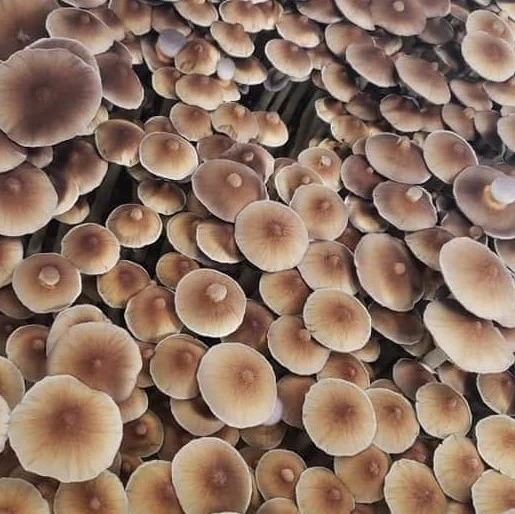
B+ spores are one of the most widely recognised varieties of spores from the species Psilocybe cubensis. Within microscopy and mycology communities, B+ spores are known for their large, clearly visible structures and consistent purple-brown spore deposits, which make them particularly interesting for microscopic observation and documentation.
As a cubensis lineage, B+ spores share the same fundamental biological traits found across the species, including ellipsoid spore shape, a visible germ pore, and a smooth outer wall. These characteristics make them ideal specimens for studying fungal reproductive structures and spore morphology.
Over time, B+ spores have become one of the most commonly circulated cubensis varieties among microscopy collectors and educational researchers. Their widespread distribution through spore vendors has helped establish the strain as a familiar reference point when examining cubensis spores under magnification.
B+ spores are typically available in several microscopy formats, including spore syringes, spore prints, and sterile swabs. Each format allows collectors and researchers to examine the microscopic features of the spores while preserving their structure for detailed study.
Because of their popularity and long history within spore collecting communities, B+ spores are often considered one of the most recognisable cubensis varieties available today.
What Are B+ Spores?
B+ spores belong to a strain lineage of the species Psilocybe cubensis, a tropical and subtropical mushroom species known for producing distinctive purple-brown spores. When people refer to B+ cubensis spores or B+ mushroom spores, they are describing the microscopic reproductive cells produced by mushrooms belonging to this particular cubensis lineage.
In fungi, spores function in a role similar to seeds in plants. They are responsible for reproduction and dispersal, allowing fungal species to spread to new environments. These spores are produced on specialised cells located on the gills beneath the mushroom cap. Once released, the spores can be collected and examined under magnification to study their structural features.
Under a microscope, B+ cubensis spores display the typical characteristics associated with cubensis varieties. They are generally ellipsoid in shape, possess a thick protective wall, and contain a clearly visible germ pore. The germ pore is a small opening in the spore wall where fungal growth can begin during germination.
Researchers and microscopy enthusiasts often study spores like these to better understand fungal anatomy and classification. Observations may include measuring spore size, identifying the germ pore, analysing the colour of spore deposits, and examining the smooth outer surface of the spore wall.
Because B+ mushroom spores are widely circulated, they are frequently used as reference specimens when comparing spore morphology between different cubensis strains.
Origins and History of the B+ Strain
The exact origins of the B+ strain remain somewhat uncertain, which is common for many early cubensis lineages. Most historical accounts suggest that the strain began circulating through underground spore trading communities in the late twentieth century, long before modern online spore vendors existed.
Like many cubensis strains, B+ likely emerged from a specific cultivated lineage of Psilocybe cubensis that was shared among early mycology enthusiasts. During this period, spores and prints were commonly exchanged between collectors, researchers, and hobbyists who were interested in documenting different cubensis varieties.
Several theories exist about how the name “B+” originated. One suggestion is that the name simply reflected the quality or performance of the strain as perceived by early collectors, with “B+” implying a favourable or above-average lineage. Another theory suggests that the name may have been used as a simple label during early spore distribution and later became permanently associated with the strain.
During the expansion of cubensis research and cultivation culture in the 1980s and 1990s, figures such as Steven H. Pollock contributed significantly to the broader interest in studying and documenting cubensis varieties. Although there is no definitive evidence linking Pollock directly to the B+ lineage, his work helped popularise the study of cubensis mushrooms in general.
Around the same time, writers and ethnobotanical researchers such as Terence McKenna helped bring global attention to the cultural and scientific fascination surrounding psychedelic mushrooms and their biology. This growing public interest indirectly contributed to the spread of cubensis strains through mycology communities.
As internet forums and early online marketplaces emerged in the late 1990s and early 2000s, B+ spores became one of the most frequently traded cubensis varieties. Spore vendors began offering B+ prints and syringes widely, which helped establish the strain as a staple within the global spore collecting community.
Today, B+ remains one of the most recognised cubensis lineages. Its long history of circulation has made it a familiar reference point when comparing spore morphology across different cubensis strains.
Microscopic Characteristics of B+ Spores
When viewed under magnification, B+ spores display the characteristic microscopic features associated with the species Psilocybe cubensis. These features are commonly examined during B+ spore microscopy and provide important information about cubensis spore structure and classification.
One of the most noticeable aspects of B+ cubensis spore morphology is the overall shape of the spores. Under a microscope, they typically appear ellipsoid to slightly elongated. This oval-like form is common among cubensis varieties and allows researchers to identify the species based on spore geometry.
The colour of B+ spores is another distinctive feature. When large numbers of spores accumulate together in a spore print, they produce a deep purple-brown deposit. Individually, spores appear translucent to brownish when illuminated under microscope lighting. This colouration results from pigments present in the spore wall and is a defining characteristic of cubensis spores.
Spore size is also frequently measured during microscopic analysis. B+ spores generally fall within the typical cubensis range of approximately 11–17 micrometres in length. Slight variations in size can occur depending on environmental conditions and the specific lineage being examined, but the overall range remains consistent with other cubensis strains.
Another important structure visible during B+ spore microscopy is the germ pore. The germ pore appears as a small, clearly defined opening at one end of the spore. This structure represents the point where fungal growth can begin during germination. Its presence is a key identifying feature when examining cubensis spores under high magnification.
The spore wall itself is relatively thick compared to many other fungal spores. This protective outer layer helps maintain the internal structure of the spore and allows it to survive environmental exposure before germination. Under microscopic observation, the surface texture of the wall appears smooth, lacking any visible ornamentation.
Together, these characteristics—ellipsoid shape, purple-brown colouration, visible germ pore, and thick smooth walls—form the core features that define B+ cubensis spore morphology during microscopic examination.
Appearance of the B+ Mushroom
Although B+ spores are typically studied in isolation under a microscope, they originate from the fruiting bodies of the species Psilocybe cubensis. Understanding the appearance of the full organism provides useful context when studying the spores themselves.
The cap of the B+ mushroom generally begins with a rounded or convex shape during early development. As the mushroom matures, the cap gradually expands and may flatten slightly. In some specimens, a gentle central bump known as an umbo can remain visible in the centre of the cap.
Cap colour varies depending on moisture levels and maturity. Young caps often appear caramel or golden brown, while mature specimens may fade toward a lighter tan colour as the cap expands. The cap surface is typically smooth and may appear slightly glossy when fresh.
The diameter of the cap can vary significantly but commonly ranges between 3 and 8 centimetres across in mature mushrooms. Environmental conditions such as humidity, temperature, and nutrient availability can influence the final size of the fruiting body.
The stem, also known as the stipe, is usually long and relatively thick compared to some other cubensis varieties. It often appears pale cream to off-white in colour. The surface of the stem is generally smooth, although faint fibrous textures may sometimes be visible along its length.
Another common feature associated with cubensis mushrooms is blue bruising that appears when the tissue is handled or damaged. This colour change occurs due to chemical reactions within the mushroom tissue and is commonly observed in many cubensis strains.
Remnants of the partial veil are also typically visible on the stem. During early development, the veil protects the mushroom gills beneath the cap. As the cap expands, the veil breaks and leaves behind a ring-like structure known as an annulus on the upper portion of the stem.
Beneath the cap, the gills are closely spaced and darken as spores mature and accumulate. These gills are the structures responsible for producing and releasing the spores that eventually form B+ spore prints.
B+ Spore Prints vs Spore Syringes
B+ spores are commonly distributed in two primary formats used for microscopy and collection: spore prints and spore syringes. Both formats contain spores from the species Psilocybe cubensis but differ in how the spores are stored and prepared for observation.
B+ spore prints are created by placing a mature mushroom cap onto a sterile surface such as foil or specialised paper. As the mushroom releases spores from its gills, they accumulate on the surface below and form a visible spore deposit. Over time, this deposit develops into a dense purple-brown pattern that reflects the arrangement of the gills above.
These prints often display intricate radial patterns that mirror the structure of the mushroom gills. Because the spores are collected in a dry state, prints can be stored for extended periods when kept in cool, dark conditions. For microscopy purposes, researchers can carefully transfer a small portion of the spore material from the print onto a microscope slide for examination.
Another common format is the B+ spore syringe. In this preparation, spores are suspended in sterile water inside a sealed syringe. The liquid suspension allows small droplets containing spores to be easily transferred onto microscope slides.
B+ cubensis syringe preparations are popular because they provide a convenient way to distribute spores evenly during slide preparation. A single drop from the syringe can contain thousands of spores, making it easy to observe multiple specimens during microscopic study.
Spore syringes are typically produced under sterile conditions to minimise contamination. When stored properly in a cool, dark environment, they can remain viable for extended periods.
Both B+ spore prints and B+ spore syringes provide reliable sources of spores for microscopy. The choice between formats generally depends on collector preference, storage considerations, and the specific method used when preparing microscope slides.
Habitat and Natural Distribution
The species Psilocybe cubensis is naturally found in tropical and subtropical environments around the world. As a tropical psilocybe species, it thrives in warm climates with high humidity and consistent rainfall. These environmental conditions allow the fungus to grow and reproduce efficiently in natural ecosystems.
Wild populations of cubensis have been documented throughout regions of Central America and South America, where the species is commonly associated with grasslands and pasture environments. The fungus often develops in areas where livestock are present, as the nutrient-rich substrates found in these environments support fungal growth.
Beyond the Americas, cubensis has also been observed in parts of Southeast Asia and other tropical regions. Countries with warm climates and seasonal rainfall patterns provide suitable habitats for the species to naturally occur. These environments allow spores to disperse and colonise suitable substrates across large geographic areas.
Despite the global distribution of the species itself, the B+ strain is generally considered a cultivated lineage rather than a confirmed wild isolate. Unlike some cubensis varieties that are directly linked to a specific geographic collection site, the exact wild origin of B+ is not clearly documented. Instead, the strain became known primarily through cultivation and circulation within mycology and spore trading communities.
For this reason, B+ is typically described as a stabilised cubensis lineage rather than a strain tied to a single natural habitat. While the species Psilocybe cubensis originates from tropical environments, B+ itself is best understood as a widely circulated cultivated variety derived from the broader cubensis gene pool.
Understanding the cubensis habitat helps place B+ spores within the ecological context of the species. Although the lineage itself may not correspond to a specific wild population, its biological characteristics still reflect the traits of a fungus that evolved in tropical climates.
Why B+ Spores Are Popular Among Collectors
B+ spores are among the most widely recognised and distributed spores belonging to the species Psilocybe cubensis. Over the years, the strain has developed a strong reputation within microscopy and spore collecting communities, contributing to the ongoing popularity of B+ cubensis spores.
One factor behind the strain’s popularity is its strong spore production. Mature specimens associated with the B+ lineage tend to produce dense spore deposits, which result in clearly defined spore prints. These heavy purple-brown deposits make it easy to obtain large numbers of spores for microscopic observation.
Another reason B+ spores are popular among collectors is the consistency of their morphology. When examined under magnification, B+ spores display the classic cubensis features that researchers expect to observe. These include the typical ellipsoid shape, smooth outer wall, and clearly visible germ pore. Because these features are consistently present, B+ spore microscopy often provides clear and recognisable structures for study.
Collectors also appreciate the reliability of B+ spores when preparing microscope slides. Due to the density of spores found in prints and syringes, it is easy to distribute multiple spores across a single slide. This allows observers to examine numerous specimens within a single field of view.
Another factor contributing to B+ cubensis popularity is its long history of circulation within the global spore trading community. The strain has been available through spore vendors and collectors for many years, making it one of the most widely traded cubensis varieties. As a result, B+ spores are often included in strain collections and comparative microscopy studies.
Because of this broad circulation and recognisable morphology, B+ spores have become a familiar reference point for collectors studying cubensis spores. Their availability, strong spore production, and consistent microscopic characteristics continue to make them a common choice for microscopy-focused collections.
Spore Storage and Shelf Life
Proper storage plays an important role in maintaining the quality of spores belonging to the species Psilocybe cubensis. When stored under appropriate conditions, both spore prints and spore syringes can remain stable for extended periods.
The most important factors for cubensis spore storage are temperature, light exposure, and protection from contamination. Spores should be kept in a cool, dark environment to preserve their structure. Many collectors choose to store spores in sealed containers inside a refrigerator, typically within a temperature range of around 2–8°C. Refrigeration slows down biological degradation and helps maintain long-term spore quality.
Spore prints are generally stored in protective foil or paper packaging. Keeping prints sealed and away from humidity helps prevent contamination and protects the delicate spore layer from environmental exposure. When stored properly, prints can remain stable for several years.
Spore syringes require slightly different storage considerations. Because the spores are suspended in sterile water, maintaining sterility is essential. Syringes should remain sealed until they are used, and refrigeration is recommended to slow any potential microbial activity within the liquid suspension.
The shelf life of spore syringes can vary depending on storage conditions and preparation quality, but many remain usable for a year or longer when refrigerated. Prints often last even longer due to their dry format.
Avoiding direct sunlight, high temperatures, and unnecessary handling helps preserve spores for long-term observation. By following proper storage practices, collectors can maintain the integrity of cubensis spores and ensure that they remain suitable for microscopy over extended periods.
For further information on how to store spores read our guide How to Store Mushroom Spores Properly.
B+ Compared With Other Cubensis Strains
B+ spores belong to the species Psilocybe cubensis and share many characteristics with other well-known cubensis varieties. Although different strains often carry unique names and histories, their spores typically display very similar microscopic traits because they belong to the same species.
One commonly compared variety is the Golden Teacher strain. Both B+ and Golden Teacher spores produce heavy purple-brown deposits when collected as spore prints. Under a microscope, the spores from both strains appear ellipsoid with smooth walls and a visible germ pore. Because of these similarities, distinguishing between the two strains based purely on spore morphology can be difficult. For a further breakdown read our guide Golden Teacher vs B+ Spores.
Another widely known cubensis variety is Mazatapec. This strain is historically associated with southern Mexico and traditional ethnomycological interest. Mazatapec spores share the same purple-brown colour typical of cubensis and also produce dense spore prints. Microscopic observations of Mazatapec spores reveal the same structural features seen in most cubensis strains, including an oval shape and distinct germ pore.
The Cambodian strain is another example often compared with B+. Cambodian cubensis gained attention after specimens were reportedly collected in Southeast Asia. As with other cubensis varieties, the spores produced by Cambodian mushrooms show very similar morphology to B+ spores when examined microscopically.
Because these strains belong to the same species, differences between them are usually related to cultivation lineage, geographic naming, or historical circulation rather than major differences in spore structure. Spore colour, size range, and shape remain largely consistent across most cubensis varieties.
For microscopy collectors and researchers, this makes B+ spores useful as part of broader comparative observations across cubensis strains. Examining multiple varieties can help illustrate how closely related lineages within Psilocybe cubensis share common morphological traits while still maintaining unique strain identities within the mycology community.
Legal Disclaimer and Intended Use
B+ spores are supplied strictly for microscopy, taxonomy, and educational research involving the species Psilocybe cubensis. Spore samples allow researchers and collectors to examine fungal reproductive structures and study spore morphology using microscopy equipment.
The legal status of spores can vary depending on the country or jurisdiction. In some regions, cubensis spores may be legally possessed for research or microscopy purposes because they do not contain active compounds. However, the cultivation of Psilocybe cubensis may be restricted or illegal under local law.
Anyone purchasing B+ spores should familiarise themselves with the regulations that apply in their country or region before placing an order. Laws surrounding fungal spores and cultivation can change, and it is the responsibility of the buyer to understand and comply with local legislation.
Spore vendors typically distribute samples for scientific observation and taxonomy study only. Any other use may violate local regulations depending on jurisdiction.
By purchasing or possessing B+ spores, buyers acknowledge that they are responsible for ensuring their use complies with all applicable laws in their location. Please review our Legal Use Policy for more information.
For further information on the legality of psilocybe cubensis spores read our guide Are Magic Mushroom Spores Legal in the UK?
Frequently Asked Questions (FAQ)
What are B+ spores?
B+ spores are the microscopic reproductive cells produced by the B+ strain of the fungus Psilocybe cubensis. These spores can be collected as prints or suspended in sterile water to create spore syringes used for microscopy observation.
Are B+ spores from Psilocybe cubensis?
Yes. The B+ strain belongs to the species Psilocybe cubensis, a tropical fungus known for producing purple-brown spores with a distinct germ pore that can be observed under magnification.
What colour are B+ spore prints?
B+ spore prints typically display a dark purple-brown colour. This colouration is characteristic of most Psilocybe cubensis spores and becomes visible when large numbers of spores accumulate on foil or paper.
How long do B+ spore syringes last?
When stored correctly in a cool, dark environment such as a refrigerator at around 2–8°C, B+ spore syringes can often remain stable for a year or longer. Longevity depends on storage conditions and sterility.
Are B+ spores good for microscopy?
B+ spores are widely used in microscopy collections because they produce dense spore deposits and show clear cubensis morphological features, including an ellipsoid shape and visible germ pore.
How should B+ spores be stored?
Spores should be kept in a cool, dark place away from direct sunlight. Refrigeration is commonly recommended for both spore prints and spore syringes to maintain long-term stability.
What species do B+ spores belong to?
B+ spores belong to the species Psilocybe cubensis, a fungus that naturally occurs in tropical and subtropical regions around the world.
Do B+ spores look different from other cubensis spores?
Most cubensis strains produce spores that look very similar under a microscope. B+ spores generally share the same purple-brown colour, ellipsoid shape, and germ pore seen in other Psilocybe cubensis varieties.
Related Strains
If B+ piques your interest, you might also like:
- Golden Teacher Spores – classic, balanced, and iconic in the cubensis world
- Albino A+ Spores – ethereal and visually striking
- Mazatapec Spores – a subtle, murky heirloom strain with spiritual ties

Written by the Gorilla Spores Research Team
The Gorilla Spores Research Team produces and reviews educational content focused on Psilocybe cubensis strains, spore morphology, and microscopy-based observation. All reference material is created for lawful research and educational purposes and is reviewed for accuracy, clarity, and responsible presentation. View author profile