
How to Build a Still Air Box (SAB) for Mycology
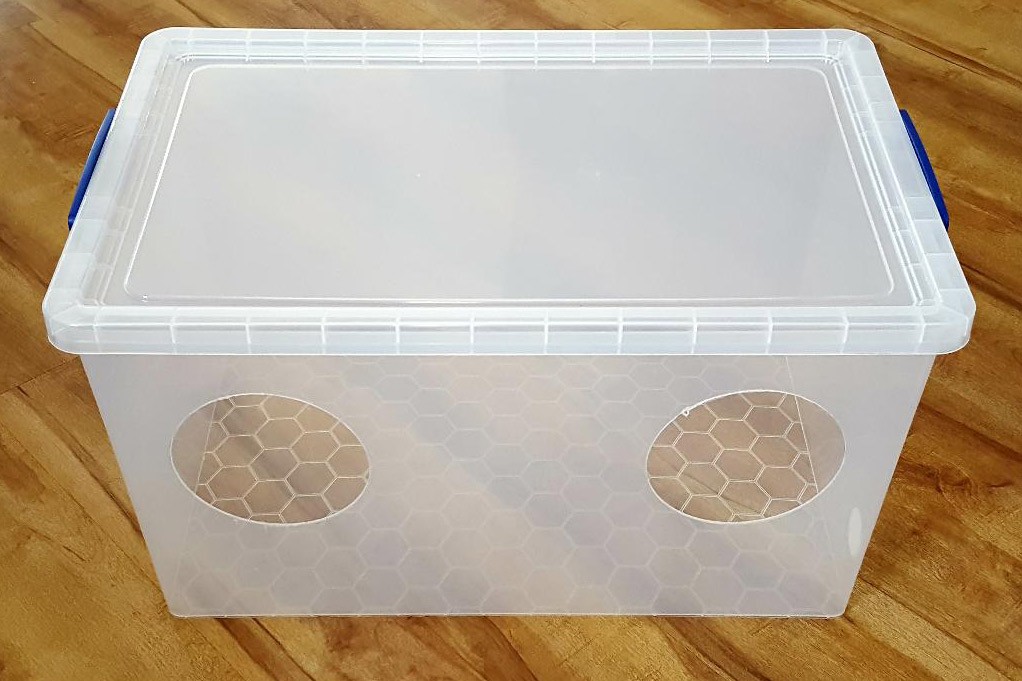
A still air box (SAB) is a simple sterile workspace used in mycology to reduce contamination when working with spores, agar cultures, and sterile tools. It usually consists of a clear plastic container with arm holes that prevents air movement and allows airborne contaminants to settle. Many hobbyist mycologists build a DIY still air box as an affordable alternative to expensive laminar flow hoods.
What Is a Still Air Box?
A still air box (SAB) is a simple piece of equipment used in mycology to create a cleaner working environment when handling spores, cultures, or sterile materials. It is typically made from a clear plastic storage tote with two arm holes cut into one side, allowing the user to work inside the container while keeping the surrounding air as still as possible.
The basic idea behind a still air box is straightforward: reduce air movement so contaminants cannot easily reach sterile materials. Airborne particles such as mold spores, bacteria, dust, and other microbes are constantly floating around in normal room air. When air moves – through drafts, fans, or even quick hand movements – these contaminants can land on agar plates, sterile tools, or microscopy samples. Once contamination is introduced, it can quickly ruin a culture or sample.
A still air box works by creating a calm, enclosed workspace where the air remains mostly motionless. When air inside the box is still, airborne particles gradually settle to the bottom surfaces instead of drifting around and landing on your work. By keeping movements slow and controlled inside the chamber, mycologists can significantly reduce the risk of contamination during delicate procedures.
Most still air boxes are built using:
- A clear plastic tote or storage container
- Two arm holes cut into the front or side of the box
- A smooth interior surface that can be easily cleaned with alcohol or disinfectant
The clear plastic walls allow you to see what you’re doing while maintaining separation from the surrounding room environment.
One of the biggest advantages of a still air box is that it is extremely affordable and easy to build. Many DIY SAB setups can be made in under 30 minutes using a plastic storage container and a simple hole saw or heated metal can. The total cost is often less than £20, making it accessible to beginners who want to practice sterile technique without investing in expensive equipment.
Because of this simplicity, still air boxes are commonly considered a budget-friendly alternative to laminar flow hoods. A laminar flow hood uses a powerful fan and HEPA filter to push clean air across a workspace, but these systems can cost hundreds or even thousands of pounds. In contrast, a still air box relies on basic physics — minimizing airflow so contaminants settle rather than circulate.
While a SAB does not provide the same level of sterile airflow as a professional flow hood, it is more than sufficient for many mycology tasks when used correctly. For hobbyists, researchers, and microscopy enthusiasts working with mushroom spores, a properly used still air box can dramatically improve sterile technique and reduce contamination rates.
Why Mycologists Use Still Air Boxes
Contamination is one of the biggest challenges when working with mushroom spores, cultures, or other mycological samples. Bacteria, mold spores, and microscopic debris are constantly present in the air around us. If these contaminants land on sterile agar, tools, or samples during handling, they can quickly grow and outcompete the organism being studied.
Because of this, mycologists rely on controlled environments when performing delicate work. Professional laboratories often use laminar flow hoods to create sterile airflow, but many hobbyists and independent researchers use still air boxes as a practical and effective alternative.
By reducing air turbulence and keeping airborne particles from circulating around the workspace, a still air box creates a low-contamination environment where sensitive mycological procedures can be performed more safely.
There are several common tasks where still air boxes are particularly useful.
Agar Transfers
Agar plates are widely used in mycology to study fungal cultures and observe growth patterns. During an agar transfer, a small piece of mycelium is moved from one plate to another using a sterile scalpel or inoculation loop.
This process must be done carefully, because open agar plates are extremely vulnerable to airborne contaminants. Even a brief exposure to moving air can allow mold spores or bacteria to settle onto the nutrient-rich agar surface.
Working inside a still air box dramatically reduces this risk. With minimal airflow and a disinfected interior surface, mycologists can open plates briefly, perform transfers, and reseal them while minimizing the chance of contamination.
Spore Syringe Work
Spore syringes are commonly used for microscopy and research involving mushroom spores. When preparing slides, inoculating sterile media, or transferring spore solutions, sterile technique is essential.
Opening a syringe, attaching needles, or dispensing spore solution in normal room air can expose the materials to airborne microbes. A still air box helps protect the workspace by creating a controlled microenvironment where the air is less likely to carry contaminants onto sterile equipment.
This makes SABs particularly useful when:
- Preparing sterile syringes
- Handling spore solutions
- Performing microscopy slide preparation
- Working with sterile needles and tools
Cloning Samples
Mycologists sometimes study fungal genetics by cloning tissue samples from mushrooms. This process typically involves transferring a small piece of inner tissue onto an agar plate where it can grow into a new culture.
Because tissue samples are handled directly and placed onto sterile media, contamination can easily occur if the surrounding air carries mold spores or bacteria. Using a still air box helps keep the workspace calm and controlled during these delicate procedures.
Inside a SAB, mycologists can sterilize tools, open plates briefly, and transfer samples while limiting exposure to airborne contaminants.
Microscopy Preparation
Many mycology enthusiasts collect and study spores using microscopes. Preparing slides for spore examination often requires handling spore prints, sterile water, slides, coverslips, and tools.
Although microscopy work does not always require perfect sterility, maintaining a cleaner environment helps ensure that samples remain uncontaminated and easier to observe. A still air box can provide a useful workspace when preparing spore slides or organizing microscopy materials.
By reducing dust and airborne debris, a SAB allows mycologists to focus on clear spore samples and accurate microscopic observations.
How a Still Air Box Works
A still air box (SAB) works by reducing air movement and allowing airborne contaminants to settle out of the air before sterile work begins. In mycology, most contamination occurs when microscopic particles in the air land on sterile materials such as agar plates, tools, or spore samples. By controlling airflow, a still air box creates a much cleaner micro-environment where delicate procedures can be performed more safely.
To understand why still air boxes are so effective, it helps to look at three key scientific principles: airborne contaminants, gravity settling, and reduced turbulence.
Airborne Contaminants
The air around us is full of microscopic particles. These include mold spores, bacterial cells, yeast, dust, skin flakes, and organic debris. Many of these particles are invisible to the naked eye but can easily contaminate sterile surfaces.
In a normal room environment, these particles are constantly circulating due to:
- air currents from ventilation systems
- open windows or doors
- people moving around
- breathing and body heat
- fans or air conditioning
Because these particles are so small and lightweight, they can remain suspended in moving air for long periods of time. When an agar plate or sterile tool is exposed to the open environment, airborne contaminants can quickly land on the surface and begin growing.
For mycologists working with fungal cultures or spores, this presents a major challenge. Even a few contaminant cells landing on nutrient-rich agar can grow rapidly and overtake the desired culture.
A still air box helps reduce this risk by isolating the workspace from moving air and limiting the number of contaminants that can reach sterile materials.
Gravity Settling
Another key principle behind the effectiveness of a still air box is gravity settling.
Although many airborne particles are extremely small, they are still subject to gravity. When the air is completely still, these particles gradually settle downward onto surfaces instead of remaining suspended.
This means that if the air inside a container is left undisturbed for several minutes, many airborne contaminants will slowly fall to the bottom surfaces of the box rather than floating around in the air.
In a still air box:
- The interior is cleaned with alcohol or disinfectant.
- The box is placed over the working area.
- The air inside the chamber becomes relatively still.
- Airborne particles gradually settle onto surfaces.
Once this settling process occurs, the air inside the box contains far fewer floating contaminants than the surrounding room.
This is why many mycologists allow a still air box to sit undisturbed for a few minutes before beginning work.
Reduced Turbulence
Perhaps the most important function of a still air box is reducing air turbulence.
Air turbulence occurs when air moves rapidly or changes direction, which keeps particles suspended and circulating. Turbulence can be caused by:
- fast hand movements
- sudden arm entry into the box
- fans or air conditioning
- nearby movement in the room
When turbulence occurs, contaminants can remain suspended in the air and travel around the workspace, increasing the likelihood that they will land on sterile surfaces.
A still air box minimizes this effect by creating a contained environment with minimal airflow. Because the air inside the chamber is not being actively pushed or circulated, contaminants are less likely to remain airborne.
For this reason, when working inside a SAB it is important to:
- move hands slowly and deliberately
- avoid sudden movements
- keep tools organized
- minimize unnecessary motion inside the box
These practices help maintain stable, low-turbulence conditions, which greatly improves sterile technique.
Why Still Air Boxes Work So Well
Although still air boxes are extremely simple devices, they take advantage of fundamental principles of aerosol physics and contamination control.
By:
- isolating the workspace from external air currents
- allowing contaminants to settle due to gravity
- minimizing turbulence inside the chamber
a still air box creates a low-contamination workspace suitable for many common mycology tasks.
For beginners and hobbyist mycologists, this simple setup can dramatically improve success rates when working with agar cultures, spore syringes, and other sterile materials.
Materials Needed to Build a Still Air Box
One of the biggest advantages of a still air box is that it is inexpensive and easy to build using basic household tools. Most SABs can be constructed in under an hour using simple materials that are widely available from hardware stores or online retailers.
Below are the basic materials required to build a standard DIY still air box.
Clear Plastic Tote (60–110 Quart)
The most important component of a still air box is a clear plastic storage container. This container forms the body of the SAB and acts as a barrier between the sterile workspace inside the box and the surrounding environment.
For best results, choose a container that is:
- transparent or translucent for good visibility
- large enough to comfortably fit your arms and tools
- made of durable plastic that will not crack when cutting holes
Most mycologists prefer containers in the 60–110 quart (approximately 55–105 litre) range. This size provides enough interior space to work comfortably with agar plates, syringes, and tools without making the box too bulky.
Larger containers also help reduce turbulence inside the chamber by providing more room for controlled hand movements.
Hole Saw
A hole saw attachment for a power drill is the easiest way to cut clean, circular arm holes in the plastic container.
Most SAB designs use two arm holes, typically between 10 cm and 15 cm in diameter. This size allows comfortable arm movement while limiting the amount of outside air that can enter the chamber.
Hole saw kits are inexpensive and can usually be found in most hardware stores. If a hole saw is not available, some people cut holes using a heated metal can or rotary cutting tool, but a hole saw typically produces the cleanest results.
Sandpaper
After cutting the arm holes, the plastic edges can be sharp or rough. Sandpaper is used to smooth these edges so they are comfortable to work with and less likely to damage gloves or skin.
Medium to fine grit sandpaper works well for this step. Simply sand the edges until they feel smooth to the touch.
Tape
Tape is optional but can be useful for reinforcing or marking areas during construction. Some people also use tape to temporarily outline where holes will be cut before drilling.
In certain designs, tape may also be used to cover unused openings or to attach temporary covers.
Marker
A permanent marker is helpful for marking the exact locations where arm holes will be cut. This ensures the holes are positioned correctly and evenly spaced before drilling.
Careful marking helps prevent mistakes and ensures the finished still air box is comfortable to use.
Estimated Cost
One of the main reasons still air boxes are so popular is their low cost compared to professional sterile workstations.
Typical price estimates:
- Plastic storage tote: £8–£20
- Hole saw attachment: £5–£10
- Sandpaper and marker: £2–£5
In most cases, the total cost to build a still air box ranges from about £10 to £30, depending on the materials used and what tools you already have available.
Compared to laminar flow hoods that can cost hundreds or thousands of pounds, a still air box provides an extremely affordable entry point for practicing sterile technique in mycology.
Step-by-Step: How to Build a Still Air Box
Building a still air box is a straightforward DIY project that requires only a few tools and materials. The process typically takes less than an hour and results in a durable piece of equipment that can be used for many mycology tasks.
Follow the steps below to construct a simple and effective still air box.
Choose the Right Plastic Tote
Start by selecting a clear plastic storage container large enough to accommodate your arms, tools, and work materials.
A container in the 60–110 quart range usually provides enough internal space to comfortably work with agar plates, syringes, and other mycology tools.
Look for a container that:
- has smooth interior surfaces
- is transparent or lightly translucent
- is sturdy enough to withstand drilling
Avoid extremely thin plastic containers, as they can crack during cutting.
Mark the Arm Holes
Next, determine where the arm holes will be placed.
Turn the container upside down so the open side sits on the table. The arm holes are cut into the side that will face you while working.
Using a marker:
- Mark two circles where your arms will enter the box.
- Space the holes approximately 25–35 cm apart.
- Ensure the holes are positioned at a comfortable height for your arms when sitting at the table.
Many people use a 10–15 cm diameter circle for the arm openings.
Taking time to measure and mark the holes carefully will ensure the finished box is comfortable and easy to use.
Cut the Arm Holes with a Hole Saw
Once the hole positions are marked, use a hole saw attached to a power drill to cut out the arm openings.
Steps for safe cutting:
- Place the container on a stable surface.
- Drill slowly to avoid cracking the plastic.
- Apply steady pressure without forcing the drill.
- Repeat for the second hole.
Cutting slowly helps produce clean edges and prevents damage to the container.
If a hole saw is not available, some builders carefully cut holes using a heated metal can or rotary tool, though these methods may produce rougher edges.
Smooth the Edges
After cutting the holes, inspect the edges of the plastic. They may feel sharp or uneven.
Use sandpaper to smooth the edges until they are comfortable to touch. This step is important because sharp edges can scratch your arms or tear gloves while working.
Smoothing the holes also improves the durability of the box over time.
Clean the Box with Isopropyl Alcohol
Before using the still air box for the first time, thoroughly clean the interior surfaces.
Wipe the inside of the box with 70% isopropyl alcohol or another disinfectant to remove dust, plastic particles, and residues left over from the construction process.
Allow the box to dry completely before using it for sterile work.
Cleaning the box before each use is also good practice, as it helps remove dust and reduce the number of contaminants inside the workspace.
Once completed, your still air box will be ready for use in many common mycology tasks, including agar transfers, spore syringe work, tissue cloning, and microscopy preparation.
How to Use a Still Air Box Properly
A still air box (SAB) can significantly reduce contamination when working with mushroom spores, agar cultures, or sterile tools – but only if it is used correctly. Simply placing materials inside the box is not enough. Proper sterile technique and careful handling are essential to maintain the low-turbulence environment that makes a still air box effective.
When used properly, a still air box allows mycologists to perform tasks such as agar transfers, spore syringe preparation, tissue cloning, and microscopy work with much lower contamination rates.
Below are the most important techniques for using a still air box effectively.
Clean the Workspace First
Before starting any work, both the still air box and the surrounding workspace should be cleaned thoroughly. Dust, debris, and microscopic contaminants can accumulate on surfaces and easily be introduced into the box if the environment is not prepared properly.
Start by wiping down the work area with a disinfectant such as 70% isopropyl alcohol or another suitable surface cleaner. Pay particular attention to the table or desk where the SAB will be placed.
Next, clean the inside of the still air box itself. Spray or wipe the interior surfaces with isopropyl alcohol and allow them to dry completely. This step helps remove dust particles and reduces the number of contaminants present inside the chamber.
It is also good practice to:
- wash your hands thoroughly before starting
- wear clean clothing or a lab coat
- tie back long hair
- wear gloves if possible
These small steps can significantly improve sterile technique and reduce contamination risk during mycology work.
Allow the Air to Settle
After placing the still air box over the workspace, allow it to sit undisturbed for a few minutes before beginning work. This gives airborne particles time to settle to the surfaces of the box due to gravity.
The calmer the air inside the chamber, the fewer contaminants will remain suspended and capable of landing on sterile materials.
Many mycologists wait 2–5 minutes after setting up their SAB before inserting their arms and starting work.
Use Slow, Controlled Hand Movements
One of the most important rules when working inside a still air box is to move slowly and deliberately.
Fast hand movements can create turbulence inside the chamber, stirring up settled particles and sending them back into the air. This increases the chance that contaminants will land on agar plates, sterile tools, or spore samples.
To maintain the still-air environment:
- move your hands slowly
- avoid sudden arm movements
- keep tools organized and within easy reach
- plan each step before performing it
Working calmly and methodically helps maintain stable air conditions and dramatically improves success rates.
Sterilize Tools Properly
Proper tool sterilization is essential when working with fungal cultures or spores.
Tools such as scalpels, needles, and inoculation loops should be sterilized before use. Many mycologists use a flame source such as a small alcohol lamp or butane torch to sterilize metal tools before performing transfers.
Once sterilized, tools should be allowed to cool briefly before touching sterile materials like agar plates or tissue samples.
In addition to flame sterilization, it is helpful to:
- wipe tools with alcohol when appropriate
- keep sterile items sealed until needed
- minimize exposure of sterile materials
Maintaining good sterile technique inside the still air box greatly reduces contamination risks.
Avoid Drafts and Air Movement
A still air box works best when the surrounding room environment is calm. Drafts and airflow can disturb the air inside the chamber and introduce new contaminants.
To maintain optimal conditions:
- turn off fans and air conditioners
- close nearby windows
- avoid working near open doors
- limit movement around the workspace
Ideally, the SAB should be placed in a quiet room with minimal air movement. This helps maintain the still air environment that allows particles to settle and remain undisturbed.
By combining these techniques—cleaning the workspace, allowing air to settle, moving slowly, sterilizing tools, and avoiding drafts—you can make the most of your still air box and greatly improve sterile work success.
Common Still Air Box Mistakes
Although still air boxes are simple devices, beginners often make mistakes that reduce their effectiveness. Understanding these common errors can help you avoid contamination problems and improve your sterile technique.
Below are some of the most frequent still air box mistakes.
Moving Hands Too Fast
One of the biggest mistakes people make when using a still air box is moving their hands too quickly inside the chamber.
Fast movements create turbulence, which stirs up particles that have already settled inside the box. Once these contaminants become airborne again, they can land on agar plates or sterile tools.
To avoid this problem:
- move slowly and deliberately
- avoid sudden arm movements
- keep your workflow organized
Slow and controlled movements help maintain the calm air environment that makes the SAB effective.
Not Sterilizing the Box
Another common mistake is failing to clean and disinfect the still air box before use.
Even if the box was clean during the last session, dust and contaminants may have settled inside since then. If the interior surfaces are not wiped down, these particles can easily become airborne when you start working.
Before every session, the inside of the SAB should be wiped with 70% isopropyl alcohol or another suitable disinfectant. This removes dust and reduces the number of contaminants present in the workspace.
Using the SAB in a Drafty Room
A still air box relies on minimal airflow to work effectively. If the surrounding room has strong air currents, these drafts can disturb the air inside the box and introduce new contaminants.
Working near:
- open windows
- fans
- air conditioning vents
- busy walkways
can significantly increase contamination risk.
For best results, place your SAB in a quiet room with stable air conditions. Turning off fans and closing windows before starting work can greatly improve sterile technique.
Overcrowding the Workspace
Another mistake beginners often make is placing too many items inside the still air box.
If the box becomes cluttered with tools, plates, syringes, and containers, it becomes harder to move carefully without creating turbulence. Overcrowding also increases the chance that sterile items will accidentally touch contaminated surfaces.
A good practice is to:
- prepare only the tools you need
- organize materials before starting
- keep the workspace tidy
Working with a clean, organized layout helps maintain control and reduces contamination risk.
By avoiding these common mistakes, mycologists can get the most out of their still air box and greatly improve success when working with spores, agar cultures, and sterile equipment.
Still Air Box vs Laminar Flow Hood
When performing sterile work in mycology, two of the most commonly used tools are still air boxes (SABs) and laminar flow hoods. Both are designed to reduce contamination during procedures such as agar transfers, spore work, and tissue cloning, but they operate in very different ways.
A still air box works by reducing air movement, allowing airborne contaminants to settle out of the air. A laminar flow hood, on the other hand, uses HEPA-filtered air that flows in a smooth, constant stream across the workspace to push contaminants away.
Each system has its own advantages depending on budget, experience level, and the type of work being performed.
Comparison Table
| Feature | Still Air Box | Laminar Flow Hood |
|---|---|---|
| Cost | Very low (£10–£30) | High (£300–£2000+) |
| Complexity | Simple DIY construction | Requires specialized equipment |
| Airflow | Minimal air movement | Constant HEPA-filtered airflow |
| Portability | Lightweight and portable | Larger and stationary |
| Maintenance | Very little maintenance | Requires filter maintenance |
| Best For | Hobbyists and beginners | Advanced mycology work |
Cost
One of the biggest differences between these two tools is cost.
A still air box is extremely affordable, typically costing between £10 and £30 to build using a plastic container and basic tools. Because of this low price, SABs are often recommended for beginners who are learning sterile technique.
In contrast, a laminar flow hood can cost hundreds or even thousands of pounds depending on its size and filtration system. These units contain powerful fans and HEPA filters designed to produce highly purified airflow.
For hobbyists or small-scale mycology work, the cost difference alone often makes still air boxes the preferred option.
Complexity
Still air boxes are very simple devices. They require no electrical components, fans, or filters. Once built, they can be used immediately with minimal setup.
Laminar flow hoods are far more complex. They contain:
- powerful air blowers
- HEPA filtration systems
- sealed airflow chambers
These systems must be properly maintained and filters may eventually need replacement.
Because of their complexity, laminar flow hoods are more commonly found in professional laboratories, commercial mushroom farms, and research facilities.
Effectiveness
Laminar flow hoods generally provide a higher level of sterile airflow than still air boxes. The continuous stream of HEPA-filtered air pushes contaminants away from the workspace, creating an extremely clean environment for sensitive procedures.
However, when used correctly, still air boxes can still be very effective for many common mycology tasks, including:
- agar transfers
- spore syringe preparation
- tissue cloning
- microscopy work
For hobbyists and beginner mycologists, a properly used SAB often provides more than enough contamination control.
Many experienced mycologists actually recommend starting with a still air box to learn proper sterile technique before investing in a laminar flow hood.
Tips for Getting the Best Results from Your Still Air Box
A still air box (SAB) is one of the simplest and most effective tools for practicing sterile technique in mycology. However, small improvements in setup and workflow can dramatically improve your success rate when working with agar cultures, spore syringes, and microscopy samples.
Below are several practical tips that can help you get the best results from your still air box and reduce contamination when performing delicate mycology work.
Prepare Everything Before You Start
One of the most effective ways to maintain a clean working environment is to prepare all tools and materials before placing your hands inside the still air box.
Opening the box repeatedly during a procedure can disturb the air inside and introduce new contaminants. Instead, gather everything you will need beforehand.
Common items to prepare include:
- agar plates
- scalpels or inoculation loops
- alcohol wipes
- spore syringes
- sterile needles
- parafilm or tape for sealing plates
Once everything is organized inside the SAB, you can perform the procedure without interrupting the still air environment.
Keep Your Workflow Organized
Maintaining a logical and organized workflow inside the still air box helps reduce unnecessary movement and turbulence.
Many mycologists arrange their workspace with:
- clean items on one side
- used tools on the other side
- agar plates stacked neatly
- flame or sterilization tools placed safely at the back
Keeping the workspace tidy prevents accidental contamination and makes it easier to work slowly and carefully.
Planning your movements before beginning each step can also prevent sudden hand motions that disturb the air inside the box.
Work Slowly and Deliberately
Patience is essential when using a still air box.
Because SABs rely on minimal air movement to control contamination, quick or erratic hand motions can stir up particles that have already settled. Working slowly helps preserve the calm air environment inside the chamber.
When performing procedures such as agar transfers or spore syringe inoculations:
- move your hands slowly
- avoid sudden movements
- keep tools steady and controlled
- pause briefly between steps if needed
Developing calm, controlled movements is one of the most important aspects of good sterile technique.
Limit Time with Open Plates or Containers
Whenever possible, keep sterile materials closed until the exact moment they are needed.
For example:
- only open agar plates briefly during transfers
- keep syringe caps on until ready to use
- reseal containers immediately after use
Minimizing exposure time reduces the chance that airborne contaminants will land on sterile surfaces.
Many mycologists use techniques such as “lid hovering”, where the lid of an agar plate is lifted slightly while still covering most of the plate during transfers.
Clean the SAB Before Every Use
Even if your still air box appears clean, it is important to disinfect it before every session.
Dust and microscopic particles can settle inside the box when it is not in use. Wiping the interior surfaces with 70% isopropyl alcohol helps remove these contaminants before starting work.
Allow the alcohol to evaporate completely before placing sterile materials inside the box.
Regular cleaning helps maintain a cleaner workspace and significantly reduces contamination rates.
Practice Your Technique
Like many laboratory skills, sterile technique improves with practice. Beginners often experience contamination early on, but this is a normal part of learning mycology procedures.
By practicing inside a still air box and refining your workflow, you will gradually develop better habits and more precise movements.
Over time, many mycologists find that a properly used SAB allows them to perform clean agar transfers and other procedures with very low contamination rates.
Frequently Asked Questions
Do Still Air Boxes Actually Work?
Yes, still air boxes are widely used by hobbyist and professional mycologists because they significantly reduce contamination when working with spores and fungal cultures.
Although they do not provide filtered airflow like laminar flow hoods, SABs work by minimizing air movement and allowing airborne contaminants to settle. When combined with good sterile technique, they can be highly effective for many mycology tasks.
For beginners and small-scale mycology work, a still air box is often more than sufficient.
How Long Should You Wait Before Using a Still Air Box?
After setting up your still air box and placing it over the workspace, it is best to wait a few minutes before beginning work.
This allows airborne particles inside the chamber to settle onto surfaces due to gravity, reducing the number of contaminants suspended in the air.
Most mycologists recommend waiting 2 to 5 minutes before inserting your arms into the box.
Do You Need Gloves When Using a Still Air Box?
Gloves are not strictly required, but many mycologists prefer using disposable nitrile or latex gloves when working inside a SAB.
Gloves can be wiped with isopropyl alcohol during procedures, which helps reduce contamination when touching sterile tools or materials.
If gloves are not used, it is still important to wash your hands thoroughly before starting work.
Can You Use a Still Air Box for Agar Work?
Yes. Still air boxes are commonly used for agar transfers, culture isolation, and cloning procedures.
Many mycologists perform successful agar work inside a SAB by combining slow movements, sterile tools, and careful plate handling.
Although laminar flow hoods provide a higher level of sterile airflow, a well-used still air box can still achieve excellent results.
What Size Container Is Best for a Still Air Box?
Most still air boxes are built using clear plastic storage totes between 60 and 110 quarts (approximately 55–105 litres).
Containers in this size range provide enough room to comfortably work with tools and cultures while minimizing turbulence caused by arm movement.
Larger containers also make it easier to organize materials inside the chamber.
Can a Still Air Box Completely Prevent Contamination?
No sterile environment is completely free from contamination risk, and even professional laboratories occasionally encounter contaminants.
However, when used correctly, a still air box can dramatically reduce contamination rates by minimizing airflow and allowing airborne particles to settle.
Combining a SAB with good sterile technique—such as flame sterilizing tools and working slowly—greatly improves the success of many mycology procedures.

Written by the Gorilla Spores Research Team
The Gorilla Spores Research Team produces and reviews educational content focused on Psilocybe cubensis strains, spore morphology, and microscopy-based observation. All reference material is created for lawful research and educational purposes and is reviewed for accuracy, clarity, and responsible presentation. View author profile