
How to Make Agar Plates for Mycology
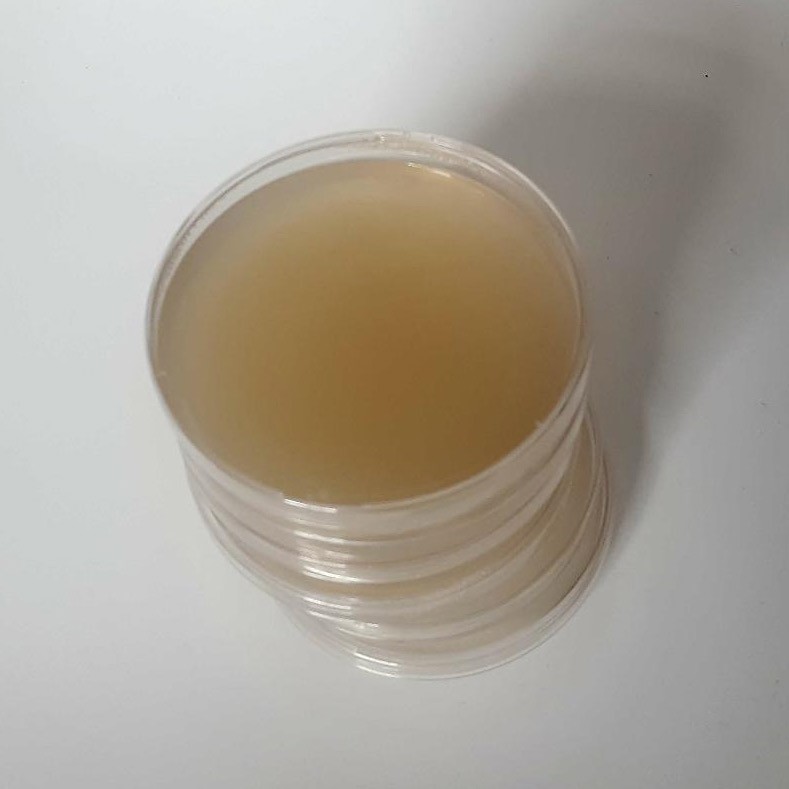
Agar plates are one of the most powerful tools in modern mycology. Whether you’re germinating mushroom spores, isolating strong genetics, or cleaning up contaminated cultures, learning how to make agar plates is a foundational skill for anyone interested in mushroom cultivation and fungal research.
Agar is a nutrient-rich gel that allows mycelium to grow in a controlled and visible environment. Unlike grain jars, which hide contamination inside the substrate, agar plates make it easy to observe fungal growth and identify contaminants early. This allows mycologists to isolate clean, vigorous mycelium before transferring it to grain or other substrates.
Working with agar dramatically improves success rates when cultivating mushrooms from spores. It gives growers the ability to select the fastest-growing genetics, separate healthy mycelium from contamination, and maintain cultures for long-term use.
In this guide, you’ll learn exactly how to make agar plates for mycology step by step. We’ll cover the ingredients you need, the equipment required, simple agar recipes, proper sterilisation methods, and how to pour clean agar plates for successful fungal cultures.
What Are Agar Plates in Mycology?
Agar plates are shallow dishes filled with a sterile nutrient gel used to grow and study fungi in a controlled environment. In mycology, agar provides a clean surface where mushroom mycelium can grow outward in visible patterns, making it easy to observe and manage fungal cultures.
Agar itself is a gelatinous substance derived from red algae (seaweed). When mixed with nutrients and water, it forms a firm gel that fungi can colonise. Unlike traditional gelatin, agar remains stable at higher temperatures and provides an ideal medium for microbial and fungal growth.
Mycologists use agar plates because they allow precise control over fungal cultures. When spores germinate on agar, the developing mycelium spreads across the surface of the plate. This visible growth makes it possible to identify contamination, isolate strong genetic sectors, and transfer clean mycelium to new plates or substrates.
By working on agar first, cultivators can ensure they are growing healthy and contamination-free cultures before expanding them to grain jars or bulk substrates.
Key Uses of Agar Plates
Agar plates serve several important functions in mushroom cultivation and laboratory mycology.
Germinating spores
Spores can be placed directly onto agar, where they germinate and form mycelium. This is often the first step when starting a new culture.
Isolating genetics
Multiple strains can emerge from a spore germination plate. Agar allows growers to isolate the strongest and fastest-growing mycelium.
Cleaning contaminated cultures
If a culture contains contamination, small pieces of clean mycelium can be transferred away from the contaminated area and grown on fresh agar.
Storing mushroom cultures
Agar plates can be used to maintain and store fungal genetics for future cultivation.
Because of these uses, agar work is considered a core technique in serious mushroom cultivation.
Why Mycologists Use Agar Instead of Going Straight to Grain
Many beginners attempt to grow mushrooms by inoculating spores directly into grain jars. While this approach can work, it often leads to hidden contamination and unpredictable results. Using agar first dramatically increases the chances of success.
One of the biggest advantages of agar is that it allows cultivators to detect contamination early. On agar plates, moulds and bacteria are immediately visible as unusual colours or textures. This makes it easy to discard contaminated cultures before they spread to larger substrates.
Agar also allows growers to select the fastest-growing and healthiest mycelium. When spores germinate, they produce multiple genetic variants. By transferring the strongest sectors of growth to new plates, cultivators can isolate superior genetics that colonise grain more quickly and reliably.
Another important benefit is genetic preservation. Once a clean culture is established on agar, it can be stored, expanded, or transferred repeatedly. This allows growers to maintain valuable mushroom genetics for future cultivation projects.
Finally, agar enables mushroom cloning. By placing a small piece of tissue from a fresh mushroom onto agar, cultivators can grow an exact genetic copy of that mushroom. This technique allows growers to preserve desirable traits such as fast colonisation or large fruiting bodies.
For these reasons, agar is widely considered the foundation of advanced mycology. Compared to going straight to grain, agar provides greater control, cleaner cultures, and far more reliable results.
Equipment Needed to Make Agar Plates
Before you begin making agar plates for mycology, it’s important to gather the right equipment. Fortunately, the process is relatively simple and most of the items are inexpensive and easy to source. With a basic setup and good sterile technique, you can produce clean agar plates at home for germinating spores and isolating mushroom cultures.
Essential Equipment
- Agar powder – The key ingredient that forms the gel structure of the agar plate.
- Malt extract or potato flakes – Provides nutrients that support mycelium growth.
- Distilled water – Used to dissolve the agar and nutrients. Distilled water is preferred to avoid contaminants.
- Petri dishes (plastic or glass) – Shallow dishes used to hold the agar medium. Disposable plastic dishes are most common for beginners.
- Pressure cooker – Used to sterilise the agar mixture before pouring plates. Sterilisation is essential to prevent contamination.
- Media bottle or mason jar – A heat-resistant container used to mix and sterilise the agar solution.
- Magnetic stirrer or spoon – Helps dissolve agar powder and nutrients evenly in water.
- Parafilm or micropore tape – Used to seal petri dishes after inoculation to prevent contamination.
Optional but Recommended
- Laminar flow hood or still air box – Provides a sterile workspace when pouring plates and inoculating cultures. A still air box is a simple and affordable alternative to a flow hood.
- Heat-resistant gloves – Useful when handling hot agar or removing containers from a pressure cooker.
- Alcohol spray bottle – Typically filled with 70% isopropyl alcohol to disinfect surfaces, tools, and gloves.
Once your agar plates are prepared, they can be inoculated using spore syringes, spore swabs, or spore prints, allowing you to germinate spores and begin developing clean mycelium cultures.
Basic Agar Recipe for Mycology
There are many different agar recipes used in mycology, but the most popular beginner formula is Malt Extract Agar (MEA). This recipe provides a balanced nutrient profile that supports healthy mycelium growth without being overly rich.
MEA is widely used because it is simple, reliable, and works well for many species of fungi.
Standard Malt Extract Agar Recipe (MEA)
Ingredients for 500 ml agar medium
- 10 g agar powder
- 10 g light malt extract
- 500 ml distilled water
Step-by-Step Instructions
1. Mix the ingredients
Add the agar powder, malt extract, and distilled water to a media bottle or heat-resistant jar. Stir thoroughly until the powders are evenly dispersed.
2. Heat and dissolve
Gently heat the mixture while stirring until the agar and malt extract dissolve completely. This prevents clumping and ensures a smooth agar medium.
3. Sterilise the agar
Place the container in a pressure cooker and sterilise at 15 PSI for 20–30 minutes. This step eliminates bacteria, mould spores, and other contaminants.
4. Pour the plates
Allow the sterilised agar to cool slightly before pouring it into sterile petri dishes. Each plate typically requires around 20 ml of agar.
Once poured, the agar will solidify within 30–60 minutes and can then be used for inoculation.
Why MEA Is the Most Popular Agar Recipe
Malt Extract Agar is considered the standard agar recipe for mycology because it offers the ideal balance of nutrients for fungal growth. The malt extract provides sugars and nutrients that support strong mycelial development, while the agar forms a stable gel surface for culture work.
MEA is especially useful for beginners because it works well for spore germination, cloning, and isolating mushroom genetics, making it one of the most versatile agar formulas used in mushroom cultivation.
Alternative Agar Recipes
While Malt Extract Agar is the most common recipe, mycologists often experiment with different agar formulations depending on their goals. Some recipes promote faster growth, while others slow growth slightly to make contamination easier to detect.
Potato Dextrose Agar (PDA)
Potato Dextrose Agar is widely used in professional mycology laboratories and is particularly effective for cultivating a wide range of fungal species.
It has a slightly richer nutrient profile than MEA, which can promote vigorous mycelium growth.
Example PDA recipe (500 ml):
- 10 g agar powder
- 10 g dextrose (glucose)
- 200 g boiled potato water (or potato extract)
- Add distilled water to reach 500 ml total volume
PDA is commonly used for general fungal culture and laboratory research, although it can sometimes encourage faster contamination growth due to its nutrient richness.
Light Malt Extract Agar (LMEA)
Light Malt Extract Agar is a variation of MEA that contains lower nutrient concentrations. This results in slower mycelial growth, which can actually be beneficial when working with spores.
Slower growth makes it easier to identify contamination and isolate individual genetic sectors on the plate.
A simple LMEA recipe:
- 10 g agar powder
- 5 g light malt extract
- 500 ml distilled water
Because it slows growth slightly, LMEA is often preferred for genetic isolation work and spore germination.
Antibiotic Agar (Advanced)
Antibiotic agar is sometimes used by experienced cultivators to combat bacterial contamination. This involves adding antibiotics to the agar medium after sterilisation but before pouring plates.
The antibiotics suppress bacterial growth while allowing fungal mycelium to continue developing.
However, this technique is generally considered advanced mycology practice, as improper use can lead to resistant contamination or weakened fungal cultures.
For most beginners, mastering basic agar recipes like MEA or LMEA is more than sufficient for successful mushroom culture work.
Step-by-Step: How to Make Agar Plates
Making agar plates for mycology is a straightforward process once you understand the basic workflow. The key principles are accurate measurement, proper sterilisation, and maintaining a clean workspace while pouring plates.
Follow the steps below to create sterile agar plates suitable for germinating spores and culturing mycelium.
Step 1: Mix the Agar Ingredients
Begin by preparing your agar mixture.
Combine the following ingredients in a heat-resistant media bottle or mason jar:
- Agar powder
- Light malt extract (or your chosen nutrient source)
- Distilled water
For a standard recipe, you can use 10 g agar powder, 10 g light malt extract, and 500 ml distilled water.
Stir the mixture thoroughly until the ingredients are evenly distributed. The powders do not need to dissolve completely at this stage, but mixing them well helps prevent clumping when heated.
Step 2: Sterilise the Agar
Once the ingredients are mixed, the agar must be sterilised before use.
Place the media bottle inside a pressure cooker and sterilise the mixture at 15 PSI for 20–30 minutes. This process kills bacteria, mould spores, and other microorganisms that could contaminate your agar plates.
Sterilisation is crucial because agar is a nutrient-rich medium that supports microbial growth. Without proper sterilisation, unwanted organisms will quickly colonise the agar and ruin your cultures.
After sterilisation, carefully remove the bottle and allow it to cool slightly before pouring.
Step 3: Cool the Agar
Before pouring plates, the agar should cool to approximately 45–50°C.
If the agar is too hot when poured, it can cause excessive condensation inside the petri dishes and may even warp plastic plates. Allowing the agar to cool slightly also makes it easier to handle safely.
The agar should still be liquid but no longer steaming.
Step 4: Prepare Your Sterile Workspace
Clean working conditions are essential when pouring agar plates. Ideally, you should pour plates inside a laminar flow hood or a still air box to minimise airborne contamination. Before beginning, disinfect your workspace and equipment.
Use a spray bottle containing 70% isopropyl alcohol to wipe down:
- Work surfaces
- Petri dishes
- Gloves
- Tools and containers
Maintaining good sterile technique at this stage greatly improves the chances of producing clean agar plates.
Step 5: Pour the Agar Plates
Once your workspace is prepared and the agar has cooled slightly, you can begin pouring the plates.
- Take a sterile petri dish and gently lift the lid just enough to pour the agar.
- Pour approximately 20 ml of agar into the dish.
- Immediately replace the lid to reduce exposure to airborne contaminants.
Repeat this process until all plates are poured. Try to work smoothly and avoid leaving petri dishes open longer than necessary.
Step 6: Allow Plates to Solidify
After pouring, stack the petri dishes and allow them to sit undisturbed.
Within 30–60 minutes, the agar will cool and solidify into a firm gel. Once the plates are fully set, they are ready to be used for inoculation or stored for later use.
Many growers allow newly poured plates to sit for 12–24 hours to ensure they remain contamination-free before introducing spores or mycelium.
How to Reduce Condensation in Agar Plates
Condensation is a common issue when making agar plates, especially for beginners. Excess moisture can form on the inside of petri dish lids when hot agar cools too quickly, creating water droplets that may drip onto the agar surface.
These droplets can spread contamination or interfere with clean mycelium growth.
Fortunately, condensation can be minimised with a few simple techniques.
Pour slightly cooler agar
Allow the agar to cool to around 45–50°C before pouring. Agar that is too hot produces more steam, which leads to condensation.
Stack plates while cooling
Stacking freshly poured plates helps retain heat evenly and slows the cooling process, reducing moisture buildup.
Store plates upside down
Once the agar has solidified, store plates upside down (agar side up). This prevents condensation from dripping onto the agar surface.
Let plates dry for 24 hours
Many cultivators allow freshly poured plates to sit in a clean environment for 12–24 hours before inoculation. This allows any remaining moisture to evaporate and creates a more stable surface for mycelium growth.
How to Inoculate Agar Plates with Mushroom Spores
Once your agar plates are prepared, the next step is inoculation. This involves introducing mushroom spores onto the agar so they can germinate and develop into mycelium.
Spores can be introduced using several different methods.
Using Spore Syringes
Spore syringes are one of the most common ways to inoculate agar plates. They contain spores suspended in sterile water and allow you to deposit a small drop directly onto the agar surface.
Using Spore Swabs
Spore swabs are sterile cotton swabs that have been rubbed across mushroom spores. These can be gently streaked across the surface of the agar to distribute spores across the plate.
Using Spore Prints
A sterile scalpel or inoculation loop can be used to transfer a tiny amount of spores from a spore print onto the agar surface.
Basic Inoculation Steps
- Flame sterilise the needle or scalpel until it glows red hot.
- Allow the tool to cool briefly.
- Add a very small drop of spores onto the agar surface.
- Close the plate immediately and seal it with parafilm or micropore tape.
Once inoculated, the agar plates should be stored at room temperature. If conditions are suitable, mycelium typically begins to appear within several days as spores germinate and begin spreading across the agar surface.
Many growers start cultures using spore syringes or spore prints, which provide a reliable source of mushroom spores for agar work and genetic isolation.
How to Store Agar Plates
Proper storage is important if you want your agar plates and cultures to remain viable for extended periods. When stored correctly, agar plates can last several weeks to a few months without drying out or becoming contaminated.
The most common method for storing agar plates is refrigeration. Plates containing clean mycelium cultures should be kept at 2–4°C, which slows down mycelial growth and helps preserve the culture for future transfers.
Before placing plates in the fridge, they should be sealed with parafilm or micropore tape. Wrapping the edges of the petri dish prevents airborne contaminants from entering and also helps reduce moisture loss from the agar. This keeps the plates from drying out over time.
For best results, agar plates should also be stored upside down (agar side up). This prevents condensation from dripping onto the culture, which could spread contamination across the plate.
In most cases, agar plates remain usable for 2–3 months when stored under proper refrigeration. Over time, however, the agar can gradually dry out and the mycelium may become less vigorous. For long-term culture storage, many mycologists periodically transfer healthy mycelium to fresh agar plates.
Common Mistakes When Making Agar Plates
While agar work is relatively simple, beginners often run into problems due to small mistakes in preparation or sterile technique. Understanding these common issues can greatly improve your success rate when working with fungal cultures.
1. Agar Too Nutrient Rich
Using too many nutrients in your agar mixture can encourage the rapid growth of bacteria and mould. Rich media may cause contamination to grow faster than the mycelium you are trying to cultivate.
Many experienced mycologists actually prefer lower nutrient agar recipes, which slow mycelial growth slightly and make contamination easier to detect.
2. Not Sterilising Properly
Improper sterilisation is one of the most common causes of contaminated agar plates. If the agar mixture is not sterilised at 15 PSI for at least 20–30 minutes, bacteria and mould spores may survive and quickly colonise the plates.
Always ensure that the pressure cooker reaches the correct pressure and that sterilisation times are sufficient.
3. Pouring Agar Too Hot
Pouring agar while it is still extremely hot can lead to several issues. High temperatures produce excess steam, which causes condensation inside the petri dishes. Hot agar can also warp plastic plates and create uneven surfaces.
Allow the agar to cool to around 45–50°C before pouring for best results.
4. Poor Sterile Technique
Even perfectly sterilised agar can become contaminated if sterile technique is not maintained during pouring or inoculation.
Opening petri dishes for too long, working in a dusty environment, or failing to disinfect tools and surfaces can introduce airborne microbes. Using a still air box or laminar flow hood, along with regular alcohol sterilisation, significantly reduces contamination risk.
Signs of Healthy Mycelium on Agar
When spores germinate or tissue cultures begin to grow, the first signs of mycelium will appear on the agar surface. Recognising healthy growth patterns is important so you can select the strongest cultures for further transfers.
Healthy mycelium typically appears as bright white growth spreading across the agar. It often begins as small white patches that gradually expand outward as the fungal network develops.
One of the most common characteristics of healthy mycelium is radial growth patterns. The mycelium grows outward in circular formations from the original inoculation point, gradually colonising the entire plate.
Two main growth forms are commonly observed on agar:
Rhizomorphic growth
Rhizomorphic mycelium appears as rope-like strands that branch outward in organised patterns. This type of growth is often associated with vigorous cultures and strong colonisation ability.
Tomentose growth
Tomentose mycelium has a soft, fluffy appearance, similar to cotton. While it may look less organised than rhizomorphic growth, it can still represent a healthy culture.
Learning to recognise these patterns helps cultivators identify clean, vigorous mycelium that can be transferred to fresh agar plates or expanded into grain substrates for further cultivation.
Signs of Contamination
One of the main advantages of using agar plates in mycology is that contamination becomes easy to detect. Because agar provides a clear surface for fungal growth, unwanted organisms such as bacteria, mould, or yeast can usually be identified quickly.
Recognising contamination early allows you to discard affected plates or transfer clean mycelium away from contaminated areas.
Below are some of the most common contaminants that appear on agar plates.
Bacteria (Wet, Shiny Growth)
Bacterial contamination often appears as wet, glossy, or slimy patches on the agar surface. Unlike mycelium, which usually looks dry and filamentous, bacterial growth tends to spread in irregular, shiny pools.
Bacteria can also create a cloudy or greasy-looking film around the inoculation point. This type of contamination is particularly common when working with spores, as spores are rarely completely sterile.
Green Mould
Green mould is one of the most common contaminants in mushroom cultivation. It usually begins as white fuzzy growth before quickly turning bright green as spores form.
This contamination spreads rapidly and can easily overtake healthy mycelium if not removed early.
Black Mould
Black mould appears as dark grey or black patches that expand across the agar surface. It often develops quickly and produces powdery spores that can spread contamination to other plates.
If black mould appears, the plate should typically be discarded immediately to prevent cross-contamination.
Yeast
Yeast contamination usually appears as small, creamy colonies that may look slightly raised or waxy. Yeast growth can sometimes resemble tiny dots scattered across the agar surface.
Although yeast does not spread as aggressively as mould, it can still compete with fungal mycelium for nutrients.
What to Do When Contamination Appears
If contamination develops on an agar plate, there are a few options depending on the situation.
If contamination completely overtakes the plate, the safest option is usually to discard the plate and start again.
However, if healthy mycelium is growing away from the contamination, it may be possible to transfer a clean section of mycelium to a fresh agar plate. Using a sterile scalpel, cultivators can cut a small piece from the uncontaminated area and place it onto a new plate. This process is often called “cleaning up” a culture.
Working quickly and maintaining good sterile technique can sometimes rescue valuable genetics even when contamination appears.
Agar Work: The Foundation of Advanced Mycology
Agar work is considered one of the most important skills in modern mycology. While it may seem technical at first, mastering agar techniques gives cultivators far greater control over fungal cultures and dramatically improves success rates.
By growing fungi on agar plates, mycologists can observe mycelium directly, isolate desirable traits, and maintain clean cultures for long-term use.
Genetic Isolation
When spores germinate on agar, they produce multiple different genetic strains. Some may grow faster, produce stronger mycelium, or exhibit other desirable traits.
Agar allows cultivators to select and isolate the best-performing sectors of mycelium by transferring small pieces to fresh plates. Over several transfers, this process can produce stable, vigorous cultures.
Cloning Mushrooms
Agar also makes it possible to clone mushrooms from fresh fruiting bodies. By placing a small piece of mushroom tissue onto agar, cultivators can grow a culture that is genetically identical to the original mushroom.
This technique allows growers to preserve mushrooms with desirable characteristics such as fast colonisation, large fruit size, or high yields.
Liquid Culture Creation
Clean agar cultures are often used as the starting point for liquid culture. Once a healthy mycelium strain has been isolated on agar, a small piece can be transferred into sterile nutrient broth to create a liquid culture.
Liquid cultures allow cultivators to rapidly expand mycelium and inoculate multiple grain jars efficiently.
Master Cultures
Agar plates also allow mycologists to maintain master cultures, which act as a long-term genetic backup of a particular strain.
These master cultures can be stored under refrigeration and periodically transferred to fresh agar to preserve valuable genetics for future projects.
Because of these capabilities, agar work forms the foundation of advanced mushroom cultivation and fungal research. Learning to work with agar plates opens the door to more reliable cultivation, genetic improvement, and long-term culture preservation.
Frequently Asked Questions
What is agar used for in mycology?
Agar is a nutrient gel used by mycologists to grow and study fungal cultures in a controlled environment. It provides a clean surface where mushroom mycelium can grow outward, making it easy to observe growth patterns and detect contamination.
Agar plates are commonly used to germinate spores, isolate strong genetics, clean contaminated cultures, and maintain mushroom strains before transferring them to grain or other substrates.
What is the best agar recipe for mushroom cultivation?
The most widely used agar recipe for mushroom cultivation is Malt Extract Agar (MEA).
A simple MEA recipe includes:
- 10 g agar powder
- 10 g light malt extract
- 500 ml distilled water
This recipe provides an ideal balance of nutrients for mycelium growth while remaining simple enough for beginners to prepare at home.
Do you need a pressure cooker to make agar plates?
Yes, a pressure cooker is strongly recommended when making agar plates. Agar media must be sterilised to eliminate bacteria, mould spores, and other contaminants.
Sterilising the agar mixture at 15 PSI for 20–30 minutes ensures that the nutrient medium is completely sterile before pouring it into petri dishes.
Without proper sterilisation, contamination will almost always develop on the plates.
How long do agar plates last?
Agar plates typically remain usable for 2–3 months when stored properly.
To maximise shelf life:
- Store plates in the refrigerator at 2–4°C
- Seal the edges with parafilm or micropore tape
- Store plates upside down to prevent condensation
Over time, agar will gradually dry out, so many cultivators transfer cultures to fresh plates periodically.
How long does it take for spores to germinate on agar?
Mushroom spores usually germinate on agar within 3–10 days, depending on the species and growing conditions.
At first, small white patches of mycelium will appear around the inoculation point. Over the following days, the mycelium expands outward across the agar surface in circular growth patterns.
Why do agar plates get condensation?
Condensation forms when hot agar cools inside petri dishes, causing moisture to collect on the lid.
This is a common issue when pouring agar plates and can be reduced by:
- Allowing agar to cool to 45–50°C before pouring
- Stacking plates while they cool
- Storing plates upside down
- Letting plates dry for 12–24 hours before inoculation
Can you make agar plates without a laminar flow hood?
Yes. While laminar flow hoods provide the best sterile environment, many mycologists successfully make agar plates using a still air box (SAB).
A still air box is a simple container that reduces air movement and airborne contaminants while pouring plates or inoculating cultures.
What does healthy mycelium look like on agar?
Healthy mycelium on agar usually appears as bright white growth spreading outward in circular patterns.
Two common growth forms include:
- Rhizomorphic growth – rope-like strands that branch outward and often indicate vigorous cultures
- Tomentose growth – soft, fluffy mycelium that resembles cotton
Both types can represent healthy fungal cultures depending on the species.

Written by the Gorilla Spores Research Team
The Gorilla Spores Research Team produces and reviews educational content focused on Psilocybe cubensis strains, spore morphology, and microscopy-based observation. All reference material is created for lawful research and educational purposes and is reviewed for accuracy, clarity, and responsible presentation. View author profile